
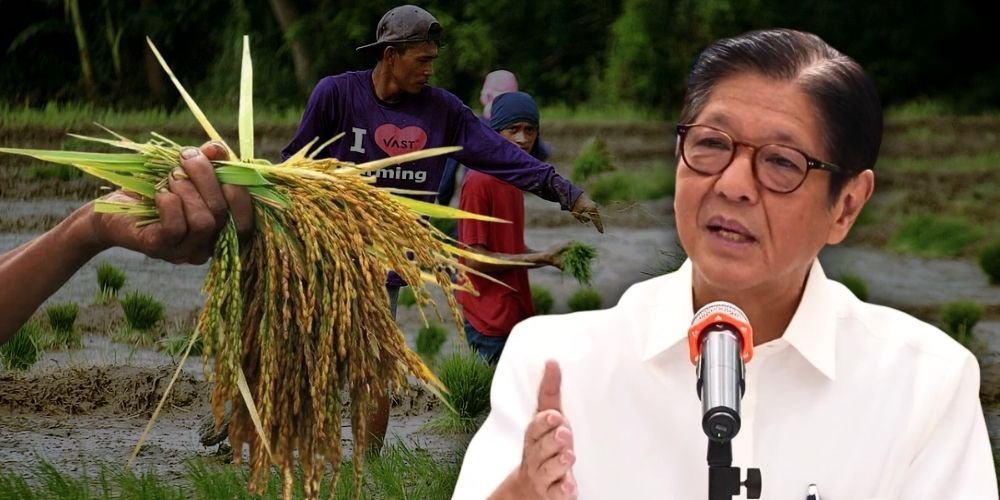
The Marcos administration is reviewing possible changes to the Rice Tariffication Law as concerns grow over its impact on the country’s rice industry and local farmers.
The discussion took place during a meeting led by President Ferdinand “Bongbong” Marcos Jr. with key economic and agriculture officials as the government assesses policies tied to food security and domestic production.
Agriculture Secretary Francisco Tiu Laurel Jr. earlier warned that the law in its current form “threatens to kill” the local rice sector. He said the government needs to revisit and amend policies that “no longer serve farmers and consumers.” The call reflects rising concern within the agriculture sector about the long-term effects of the 2019 law on local producers.
The Rice Tariffication Law opened the Philippine rice market to private importers and replaced import quotas with tariffs. Traders were allowed to import rice directly, while the government collected tariffs instead of limiting the volume of imports. The policy also grants the President authority to suspend rice imports under certain conditions.
Before the law took effect, the National Food Authority handled rice importation and maintained buffer stocks that could be released to stabilize supply during price spikes.
The policy review was discussed during a meeting attended by Agriculture Secretary Tiu Laurel, Senator Kiko Pangilinan, Executive Secretary Ralph Recto, and Department of Economy, Planning, and Development Secretary Arsenio Balisacan. Marcos also expressed openness to certifying as urgent the Agriculture Cooperatives Act of 2025, a proposed measure aimed at strengthening agricultural cooperatives and improving farmer productivity.
The discussions signal that the administration is reassessing key agriculture policies as it considers reforms intended to support farmers, boost domestic production, and secure a stable rice supply for the country.