

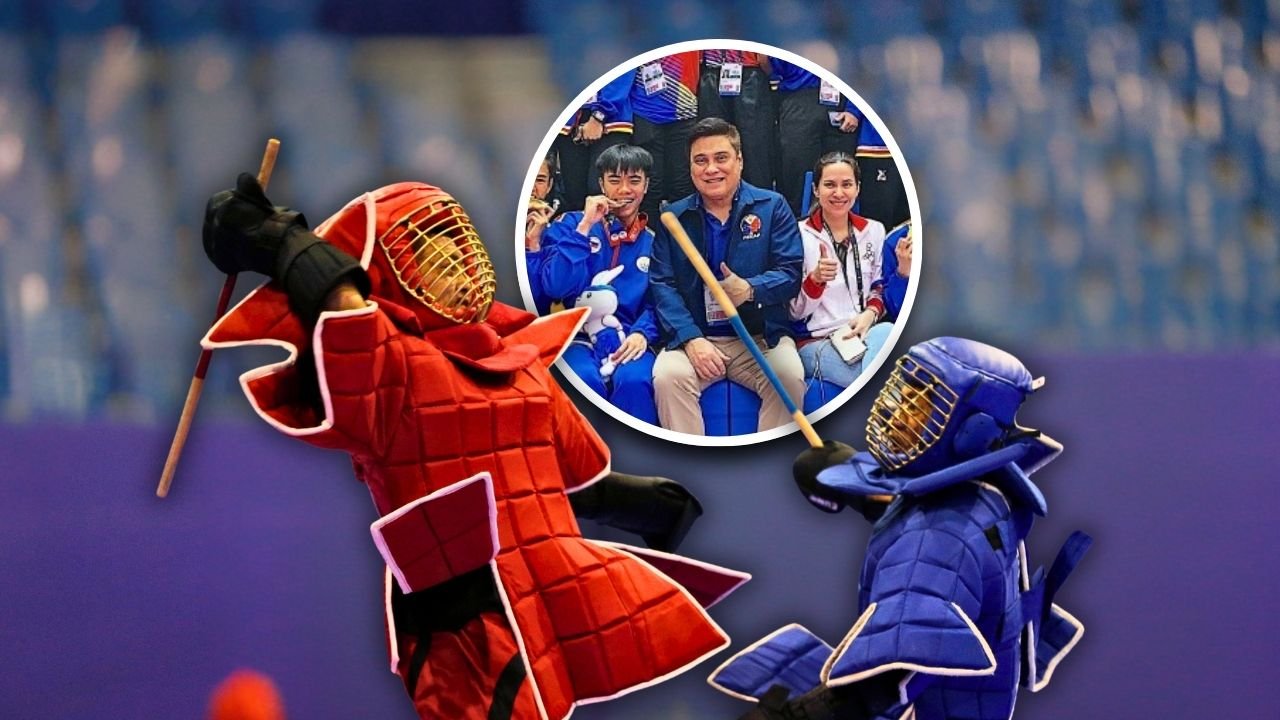
RA 9850, signed on December 11, 2009, recognizes Arnis as an indigenous Filipino martial art defined by swinging, striking, thrusting and parrying techniques executed with sticks, similar implements or with bare hands and feet.
The law mandates that Arnis be included in the physical education curriculum and that it serve as the first competition on the opening day of the annual Palarong Pambansa. The Philippine Sports Commission is also required to incorporate the symbol of Arnis into its official seal.
Senator Migz Zubiri, principal author and sponsor of RA 9850, marked the anniversary by highlighting the growth of Arnis in schools, communities and the international arena. He said Filipino arnisadors have continued to showcase their skill in global competitions and that the sport’s progress over sixteen years reflects its cultural importance and competitive potential.
Arnis is rooted in pre-colonial Filipino combat systems and has evolved into a structured modern sport practiced worldwide. The discipline has gained broader visibility through national tournaments, DepEd programs and its inclusion in the 2019 Southeast Asian Games where Filipino athletes won multiple medals. The martial art is widely documented as a central component of the Philippines’ cultural and martial heritage.
Advocates say RA 9850 secured Arnis’ place in national identity and opened doors for young athletes nationwide. Sixteen years on, they are pressing for deeper investment in grassroots training, better competitive pipelines and broader international exposure to ensure the national martial art continues to expand its reach.