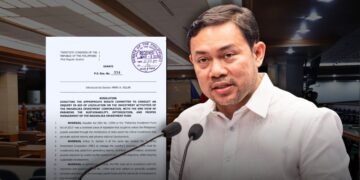

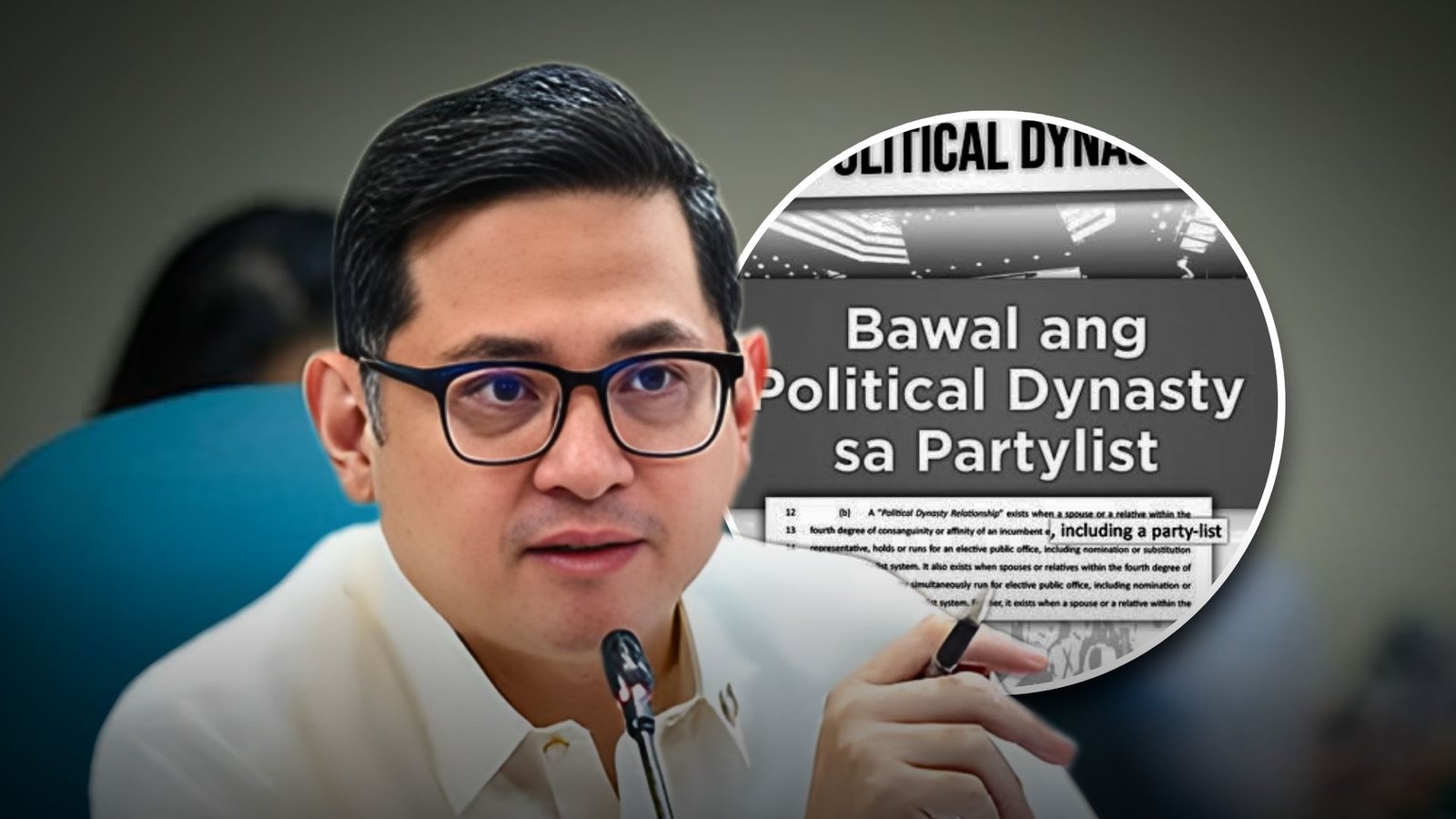
Senator Bam Aquino has filed Senate Bill No. 1559 to overhaul the country’s party-list system and ensure that representatives genuinely serve marginalized and underrepresented sectors. The measure aims to curb corruption, close loopholes, and stop the steady takeover of party-list seats by political dynasties and large corporations.
Aquino said the reform is needed to guarantee that the party-list system “truly serves the many and empowers ordinary Filipinos to have a real say in their Congress.” He added that fixing the system would reduce opportunities for misuse and abuse that have long undermined its purpose.
“This is a step toward a more inclusive, accountable, and meaningful democracy and the kind of government the Filipino people deserve,” Aquino said.
A 2025 study by election watchdog Kontra Daya found that 86 of the 156 accredited party-list groups in the 2025 elections had links to political dynasties or major corporations. Of the 63 party-list groups proclaimed on May 19 as part of the 20th Congress, 40 were flagged in the report.
Various organizations, including the John J. Carroll Institute on Church and Social Issues, have urged lawmakers to restore the dignity of the party-list system by bringing it back to its original intent.
“These findings underscore an urgent and undeniable truth the party-list system is being exploited by the powerful at the expense of those it was designed to uplift,” Aquino said.
Under the bill, the Commission on Elections will be required to hold public evidentiary hearings to verify whether party-list groups truly represent the sectors they claim. The poll body must also ensure nominees genuinely come from those sectors.
SB 1559 proposes longer deadlines for key processes, extending the registration period for party-list groups from 90 to 120 days before elections and moving the release of the certified list of eligible organizations from 60 to 90 days prior.
Nominee rules will also be tightened. Each party-list must submit at least six nominees vetted and approved by its highest decision-making body. Nominees related within the third degree to any incumbent elected official, and those who are or have been government contractors or officers of companies involved in public infrastructure or other state-funded projects, would be disqualified.