
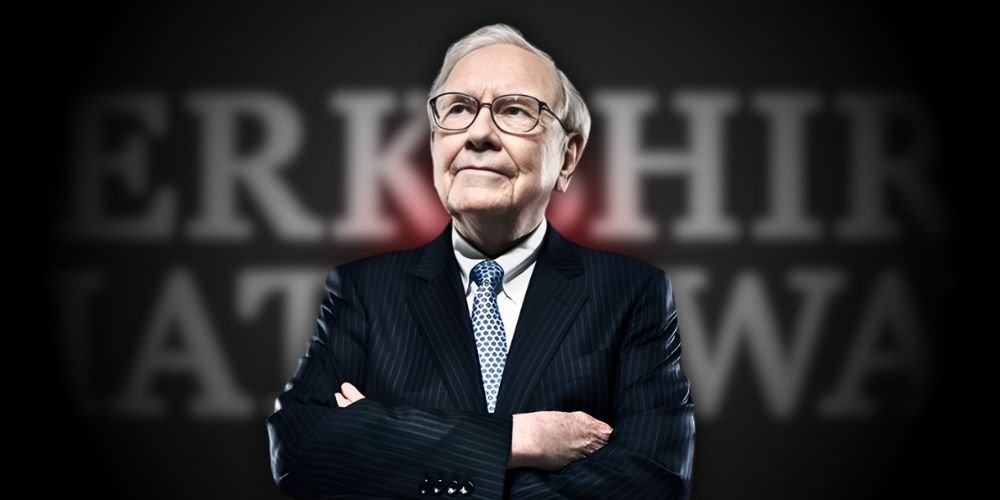
Warren Buffett has stepped down as chief executive officer of Berkshire Hathaway, ending a six-decade tenure that transformed a struggling textile business into one of the world’s most valuable conglomerates.
Buffett stepped aside at the end of the year and will remain chairman of Berkshire Hathaway. He has said he will continue working from the company’s Omaha headquarters and will stay involved following the leadership transition.
Greg Abel has assumed the role of chief executive. Abel has overseen Berkshire’s non-insurance businesses for several years and joined the company in 2000 after Berkshire acquired a controlling stake in MidAmerican Energy. He has gradually taken on broader responsibilities across the conglomerate’s operations.
Buffett publicly confirmed earlier this year that he would relinquish the CEO role at year-end, a move long anticipated by investors. He remains Berkshire’s chairman and its largest individual shareholder.
During Buffett’s leadership, Berkshire built its business model around insurance operations and long-term investments, expanding into railroads, energy, manufacturing, retail, and consumer businesses. The company became known for its decentralized structure and long-term approach to capital allocation.
The leadership change followed a volatile period for Berkshire shares. The company’s Class A stock reached an all-time high in early May before declining in subsequent months and later recovering part of those losses as the year progressed.
Berkshire has also announced adjustments to its management structure, assigning oversight of several consumer, service, and retail businesses to executives reporting to the new chief executive.
With Buffett stepping aside as CEO but remaining chairman, Berkshire Hathaway begins a new phase under Abel, marking the first change at the top of the company in decades.