

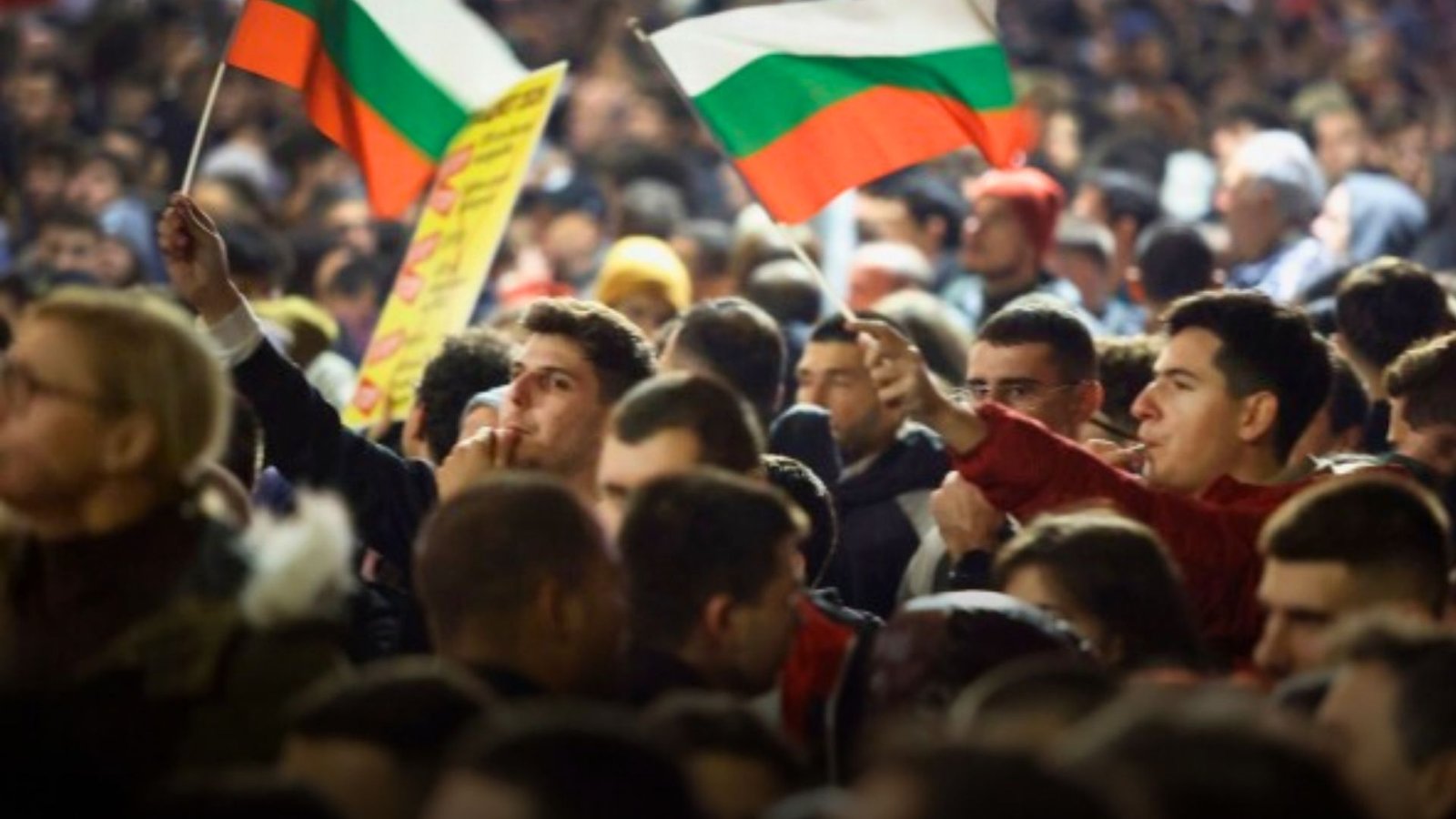
Bulgaria’s streets erupted on December 1 after thousands marched against the country’s first euro-based budget, pushing the unrest into national crisis territory.
The anger spread fast because the draft included steep tax increases and deeper social security contributions during an already tense economic period. Protesters filled major squares in Sofia and surrounded government buildings while crowds in Plovdiv, Varna, Burgas, and other cities joined in.
Many held signs accusing leaders of hiding corruption behind a complicated financial plan tied to the country’s eurozone entry. The turnout became the largest in years, signaling a clear shift in public patience toward the government.
The uproar followed weeks of frustration. On November 28, the minority government of Prime Minister Rosen Zhelyazkov promised to resubmit the budget to parliament after initial protests, hoping to calm tensions.
However, the gesture failed because critics believed the leadership ignored warnings about rising costs and weak accountability. Opposition parties, trade unions, and civic groups said the planned tax hikes placed heavier burdens on workers and small businesses while leaving state corruption untouched.
The budget committee had already advanced the draft on November 18, which further fueled suspicion that leaders were rushing a plan that would reshape daily life with little public input.
Clashes broke out in Sofia as masked protesters attempted to breach police barricades near party offices. Officers reported injuries, damaged vehicles, and attacks on government buildings.
Despite the unrest, many protesters emphasized that the movement aimed to secure transparency rather than provoke violence. The protests also exposed deep anxiety around Bulgaria’s switch to the euro on January 1, 2026, as many fear rapid price increases and weaker purchasing power.
This moment matters because it forces Bulgaria to confront the costs of an economic transition that demands public trust to succeed. The government now faces growing calls for resignation and early elections, as citizens push for a financial plan that reflects stability rather than pressure.