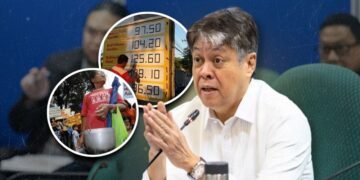


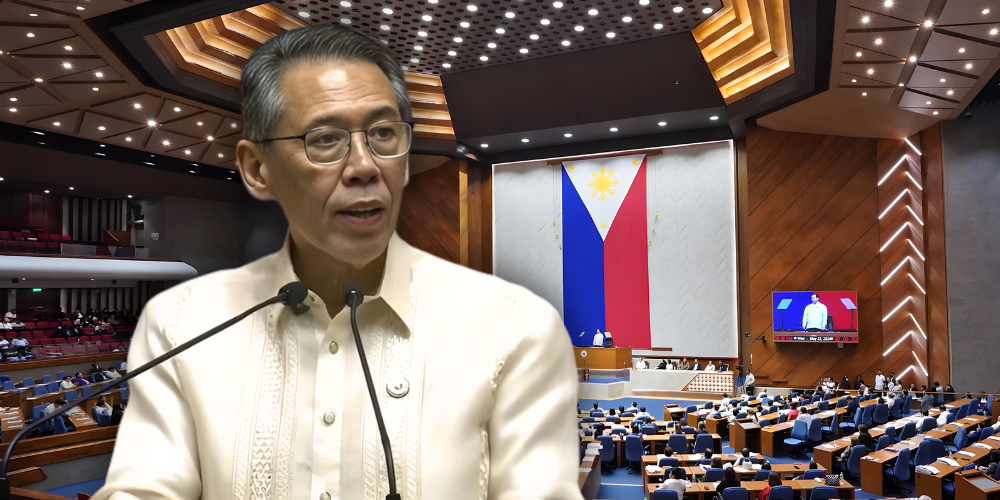
Akbayan Rep. Chel Diokno voted against the proposed 2026 national budget, saying that despite improvements in transparency and funding for key sectors, the measure remains burdened by pork, patronage, and opaque allocations that benefit politicians over the public.
Diokno said he reviewed both the House and Senate versions of the budget and monitored the bicameral conference committee proceedings. He noted that this year’s bicam process was more open than in previous years, with livestreamed sessions and written reports replacing secret meetings, allowing the public to see how the budget was adjusted and giving civil society groups a chance to be consulted.
He acknowledged what he described as positive provisions, including ₱1.37 trillion allocated to the education sector covering the DepEd, state universities and colleges, the Commission on Higher Education, and the Technical Education and Skills Development Authority. Diokno said this brings education spending to around 4 percent of gross domestic product, consistent with UNESCO recommendations, and makes education the largest share of the national budget. He also cited the ₱1 billion allocation for Project NOAH as an important step toward improving disaster preparedness after its funding had previously been removed.
However, Diokno said the budget still carries three major red flags. The first, he said, is the continued reliance on patronage-based assistance programs such as MAIFIP, AICS, and TUPAD, which he argued often go to people with political connections. He stressed that health, education, and social protection are rights and should not depend on a politician’s endorsement. He quoted Cardinal Pablo Virgilio David, saying, “Well, access to healthcare depends on a politician’s endorsement, something deeply wrong has taken root not only legally. But morally.” Diokno added that medical and health professional groups have called for scrapping MAIFIP and redirecting funds to PhilHealth for direct patient services, noting that efforts by some senators to tighten these programs were reversed during bicam deliberations.
The second red flag, according to Diokno, involves infrastructure insertions, particularly the budget of the Department of Public Works and Highways. He said the DPWH allocation became a major point of contention, with the Senate proposing ₱570 billion and the House pushing for ₱624 billion. Claims that budget cuts would prevent the implementation of 10,000 projects were not supported by itemized project lists, he said. While the bicam announced ₱20.7 billion in savings to be transferred to PhilHealth, Diokno questioned whether the initial requests were excessive and whether padding remains an issue, adding that the DPWH still needs to rebuild public trust.
The third and most serious concern, he said, is the level of unprogrammed appropriations. Diokno pointed to ₱243 billion in unprogrammed funds in the House version of the budget, which the Senate reduced to ₱174 billion but which was restored to ₱243 billion during the bicam process. He said these funds lack transparency and can be used to hide pork allocations. “I cannot in conscience support this budget. I vote no to the 2026 General Appropriations Bill,” Diokno said, calling for all documents related to the release and spending of unprogrammed appropriations to be made public.
Diokno said the 2026 budget shows partial progress in transparency and meaningful increases in education funding, but argued that as long as large portions of public money continue to flow through pork and patronage, the outcome favors politicians rather than citizens. He said he will continue to scrutinize the bicam report and future budgets, stressing that every peso of public funds must be closely guarded in the interest of the Filipino people.