

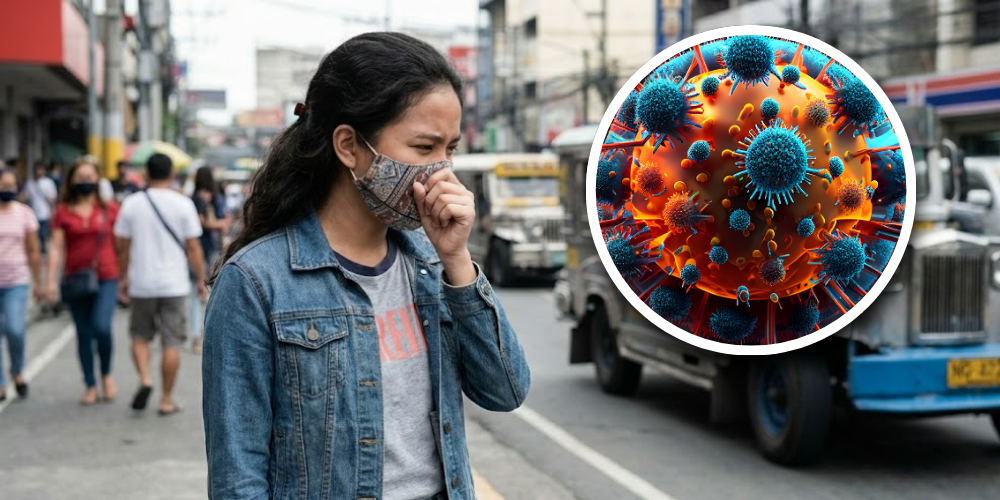
If it feels like everyone around you is coughing, sniffling, or calling in sick, you’re not imagining it. Doctors say the current flu wave in the Philippines is behaving differently, with many people staying sick longer than usual. Because of this pattern, health experts are warning that the flu season may stretch until February, instead of ending earlier as many expect.
The illness driving this trend is commonly called the super flu, which refers to a mutated strain of Influenza A known as subclade K. It is not a new disease, but a changed version of a familiar virus. Doctors say this strain spreads more easily and appears to keep people unwell for longer periods. Recovery can take more than ten days, especially among those who return to normal activities too quickly.
Health authorities have detected dozens of subclade K cases through genetic sequencing, with most confirmed cases found in densely populated areas such as Metro Manila. Importantly, doctors report that all recorded local cases have recovered and no deaths have been linked to this strain. Because of this, officials continue to say the situation remains manageable and does not require panic.
Even so, doctors explain why the flu season in the Philippines feels heavier this year. Many people resume work or spend time in crowded spaces while still recovering, which increases the risk of relapse. As a result, symptoms such as fatigue, cough, fever, and body aches often linger longer than expected. In some cases, complications may develop, particularly among older adults and those with existing medical conditions.
Vaccination remains an important part of the response. Experts say current flu shots still reduce the risk of severe illness and hospitalization, even with mutations present.
To reduce spread, health officials continue to emphasize simple steps. These include wearing masks when sick, staying home when symptoms appear, and allowing enough time for proper recovery. Because super flu symptoms closely resemble regular flu, doctors advise paying attention to how long illness lasts rather than assuming it will pass quickly.