
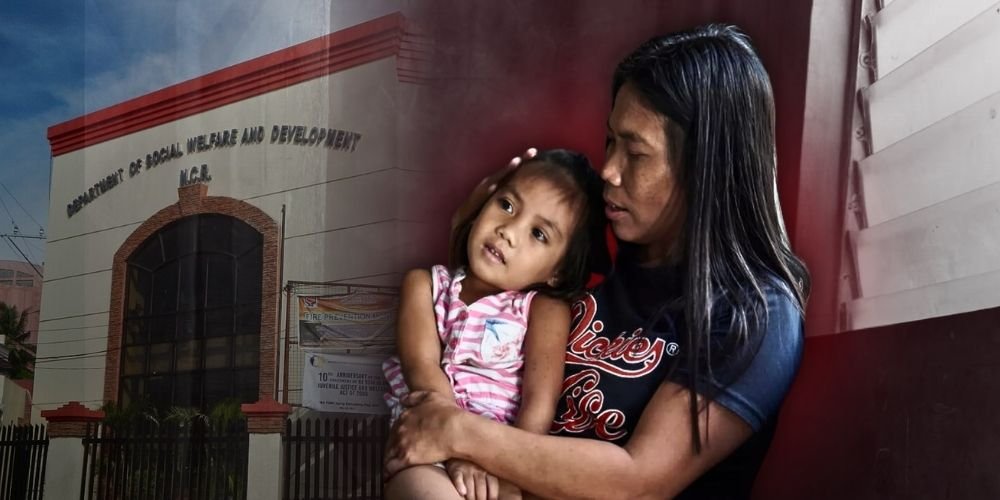
The Department of Social Welfare and Development is calling on the public to actively report violence against women and children, stressing that silence allows abuse to continue and escalate.
An officer of the DSWD Protective Services Bureau urged citizens to comply with Republic Act No. 9262 or the Anti Violence Against Women and Children Act by immediately reporting abuse to law enforcement and proper authorities. Speaking at a news forum, Social Welfare Officer 3 Carol Nuyda said reporting is critical to stopping violence that remains widespread despite years of intervention.
She cited data showing that one in four women experience abuse from their intimate partners, underscoring how deeply violence remains embedded in society. Records from the Philippine National Police further reflect the scale of the problem, with 6,883 VAWC cases recorded from August to November 2025 alone.
“It’s a systemic issue because it’s so ingrained in our culture. There is what we call cultural violence, where we use corporal punishment on our children at a tender age. We are conditioning their minds that using violence to discipline them is accepted in our culture,” Nuyda said.
She emphasized that women are not the only victims in abusive households. Children often suffer both directly and indirectly from violent relationships.
“Marami po tayong datos na nagpapatunay na hindi lang yung babae yung nagiging biktima ng isang abusive relationship, pati po yung anak ay nagiging biktima. Yung exposure niya pag sinasaktan yung babae, it’s a form of psychological abuse doon sa bata. May mga kaso rin tayo ng sexual abuse dahil minsan, hindi nakukuha noong lalaki ang lahat doon sa kaniyang asawa,” she said.
Nuyda clarified that the VAWC law also applies to same sex relationships involving women. She noted that when a male becomes the victim of harassment or abuse, other legal remedies are available.
Because VAWC is classified as a public crime, cases may be filed even by individuals who are not the direct victims.
“Mayroon po tayong tinatawag na mga concerned citizens, maaari po tayong tumulong sa biktima sa pagsasampa ng kaso,” she said, encouraging the public to intervene when abuse is witnessed.
She warned against attempts to resolve VAWC cases at the barangay level, stressing that amicable settlements are prohibited under the law.
“Mahigpit pong ipinagbabawal sa mga barangay yung mga amicable settlement o pagkakasundo at the level of the barangay. Hindi na umuusad yung kaso kasi pinagkakasundo na noong mga officials. It’s a no no, especially if the case is sexual abuse of a child, ito po ay direktang isinasampa sa pulis o sa ating trial courts,” she said.
Under the law, perpetrators may face imprisonment ranging from one month to 20 years, along with fines from ₱100,000 to ₱300,000 depending on the severity of the offense.
Nuyda also said the DSWD provides mandatory counselling for perpetrators through its Social Technology Bureau, implemented by Local Social Welfare and Development Offices.
“Mayroon po tayong tinatawag na counselling services for perpetrators of domestic violence. Ito po ay tinuturo natin sa mga Local Social Welfare and Development Office para sila po yung mag conduct ng counselling sa mga perpetrators, lalo na po kung nakikita nila na mayroon pang chance na ma treat yung mga perpetrators,” she said.
Victims and concerned citizens are advised to seek help through Barangay VAW Desks, LSWDOs, DSWD regional offices, PNP Women and Children’s Desks, the National Bureau of Investigation, the Department of Justice, the Public Attorney’s Office, women’s desks in public hospitals, and local women’s care or crisis centers.
The DSWD said reporting abuse is not just a legal step but a necessary act to break the cycle of violence and protect women and children before harm becomes irreversible.