
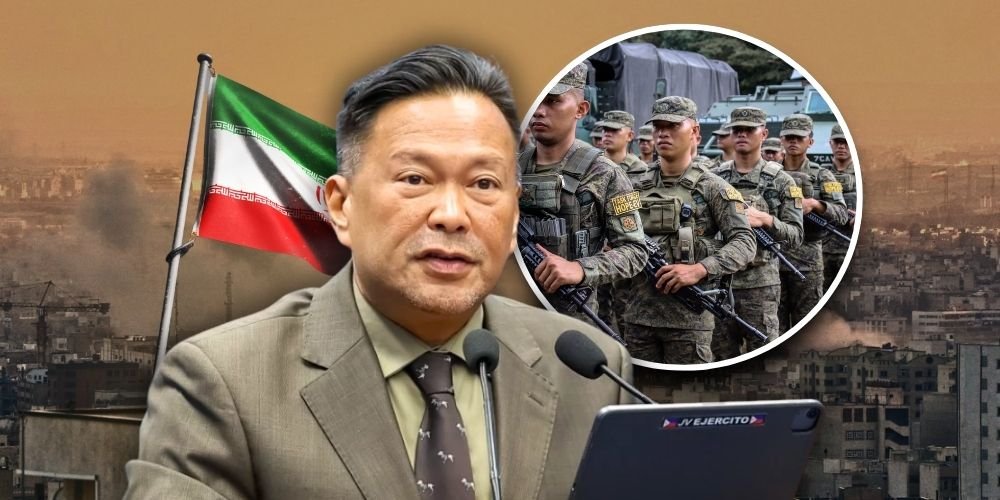
Senator JV Ejercito called for the establishment of an inter-agency task force to monitor and address the possible economic and energy-related effects of the escalating conflict in the Middle East on the Philippines.
Ejercito urged the government to act early instead of waiting for the situation to worsen, emphasizing the need for preparedness similar to the country’s response during the COVID-19 pandemic.
“Wag na natin hintayin na lumala pa ang krisis, dapat naghahanda na tayo. We should be proactive and prepare for the worst, na parang COVID pandemic situation,” Ejercito said.
“Sana magtatag na ng IATF para mapag-usapan kung ano ang puwedeng gawin. Lalo na pagdating sa pagtitipid o austerity measures,” he added.
The senator, one of the authors of Senate Resolution No. 43 adopted by the Senate last week, said the measure seeks to prompt immediate government action in anticipation of possible fuel supply constraints. He added that forming a task force would also ensure regular public updates and keep citizens informed on developments related to the crisis.
The resolution urges the Executive branch to develop a national contingency framework anchored on a whole-of-government and whole-of-nation approach to address risks stemming from the Middle East conflict and a potential oil crisis.
Ejercito warned that disruptions in oil supply could trigger a chain reaction across the global economy, driving up production costs and pushing prices higher for food, airfare, and basic goods, with the burden ultimately falling on consumers.
He also noted that Congress has already granted the President authority to suspend excise taxes on fuel as a buffer against sudden price increases.
Beyond domestic fuel costs, Ejercito pointed to broader global implications, explaining that many economies in Asia depend heavily on Middle Eastern oil. Any supply interruption, he said, could affect supply chains and increase production costs worldwide.