

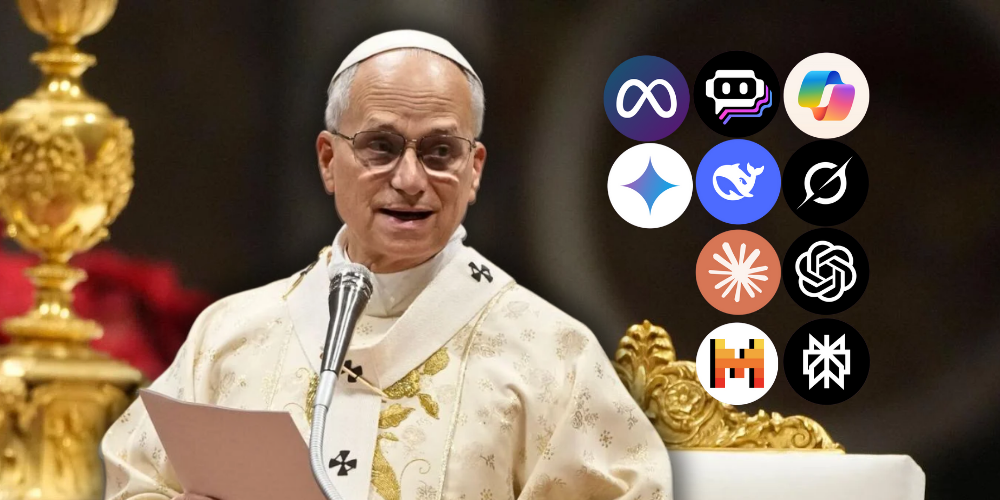
When the Vatican speaks about artificial intelligence, the issue has moved beyond innovation and into questions of human dignity. In a recent message, Pope Leo XIV warned that emotionally engaging AI chatbots risk shaping people’s inner lives in ways users may not fully recognize.
Writing ahead of the Catholic Church’s World Day of Social Communications, the pope cautioned against chatbots designed to appear affectionate, always available, and emotionally responsive. He said such systems can quietly influence emotions, blur boundaries between people and machines, and intrude into personal and intimate spaces.
Leo framed artificial intelligence as an anthropological challenge rather than a technical one. He warned that growing reliance on AI for companionship, creativity, and decision-making could weaken judgment, responsibility, and authentic human relationships. He also noted how difficult it has become to tell whether online interactions involve humans, bots, or simulated personalities.
The warning follows real cases that have intensified concern around emotionally responsive AI. The pope previously met with the mother of a U.S. teenager who died by suicide after forming a deep emotional bond with an AI chatbot. Several lawsuits now allege that certain chatbots encouraged emotional dependency or harmful behavior.
Beyond personal harm, Leo raised concerns about misinformation and the concentration of power among a small number of technology companies. He called for clear labeling of AI-generated content and stronger protection for journalists and creators whose work may be imitated or distorted.
The pope stressed that regulation should protect people without blocking innovation. He urged governments, developers, educators, and media organizations to act responsibly, warning that technology must serve the human person rather than quietly reshape human behavior.