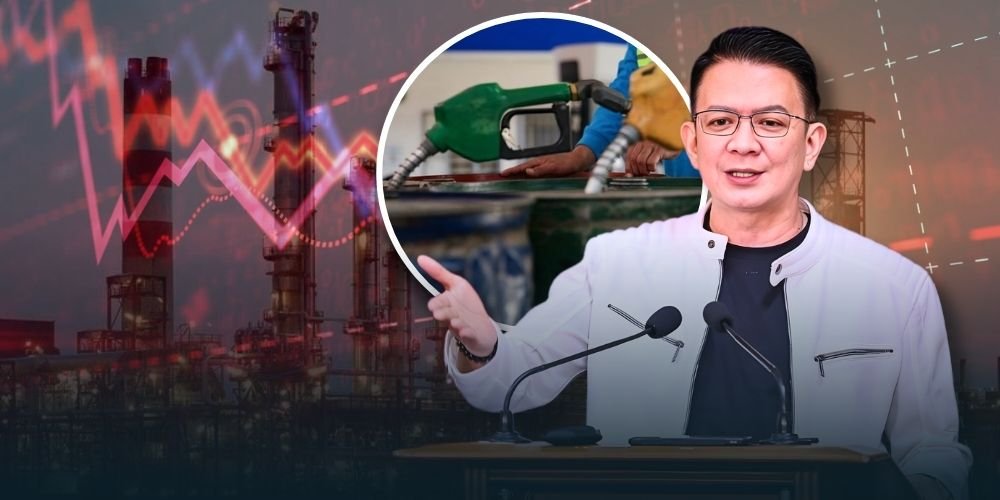
Senator Chiz Escudero is pushing for the establishment of a national fuel reserve, warning that the Philippines remains highly vulnerable to global petroleum supply disruptions amid escalating geopolitical tensions.
Escudero said instability in the Middle East, including attacks on energy infrastructure and disruptions in key shipping routes, has triggered unpredictable price movements and supply risks across Asia. He highlighted how tensions affecting major chokepoints such as the Strait of Hormuz—where a significant portion of the world’s petroleum passes—immediately impact fuel prices in the Philippines.
“Even temporary disruptions in the Strait of Hormuz have immediately sent fuel prices soaring in the Philippines, with cascading effects on transport, food logistics, and power generation,” Escudero said.
The proposal, outlined in Senate Bill No. 1993 or the “Fuel Security Act,” seeks to establish a National Strategic Fuel Reserve composed of crude oil and petroleum products. The measure is designed not only as a response to current global volatility but as a long-term mechanism to stabilize the country’s fuel supply, economy, and essential services even during prolonged crises.
Under the bill, the Philippines would construct a crude oil tank farm capable of storing between 90 to 180 days of national petroleum consumption. The estimated cost is around ₱30 billion for a 90-day reserve, scaling up to ₱60 billion for a 180-day capacity.
An initial ₱60 billion has been allocated in the proposal for the construction of the reserve facility, with additional funding to be included in future national budgets.
The measure also includes a Targeted Fuel Relief Program that would provide assistance such as fuel vouchers or cash aid to sectors most affected by rising petroleum prices, including transport workers, farmers, fisherfolk, and small businesses.
Escudero emphasized that establishing a national petroleum reserve is critical to protecting everyday life, ensuring the continuity of government services, and supporting businesses that Filipinos rely on. Without such a buffer, countries without reserves remain exposed to global petroleum market swings, especially as ongoing conflicts threaten supply chains and drive uncertainty in energy markets