

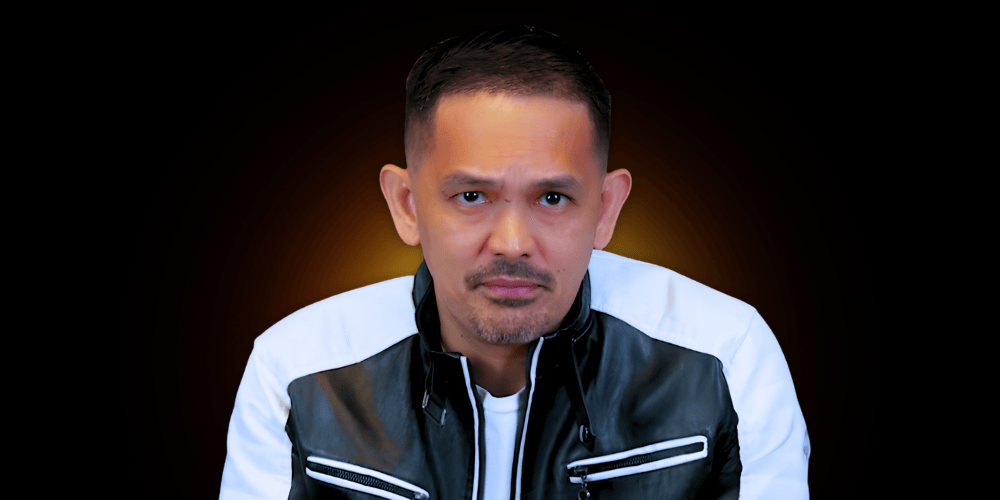
In his first episode as the newest anchor of Peanut Gallery Media Network, Greco Belgica discussed how corruption operates inside government institutions, how enforcement actions are carried out, and why sustained accountability is necessary to prevent abuse of power.
Watch the full episode here:
Belgica became widely known after leading the legal challenge against the pork barrel system. The case resulted in a unanimous ruling by the Supreme Court of the Philippines declaring the Priority Development Assistance Fund unconstitutional in all its forms, reshaping the use of discretionary public funds by lawmakers.
He later served as commissioner and chairman of the Presidential Anti-Corruption Commission, where he was involved in enforcement efforts targeting corruption across government agencies. These included lifestyle checks, entrapment operations, and investigations involving officials from the Department of Public Works and Highways, the Bureau of Internal Revenue, and the Bureau of Customs, as well as reports on alleged congressional influence over infrastructure appointments and projects.
During the episode, Belgica described corruption as a systemic issue rather than isolated misconduct. “Corruption weakens the country only when accountability is optional,” he said, adding that enforcement loses its effect when consequences are inconsistent or selectively applied.
He also pointed to the limits of removing individual offenders without broader reform, noting that institutional weaknesses allow corruption to return even after high-profile cases. Belgica cited the need for sustained oversight, reduced discretionary power, and protection for government employees who report wrongdoing.
Belgica said his discussions focus on explaining how corruption functions in practice, how enforcement mechanisms are applied, and why accountability must be continuous to prevent its return.