


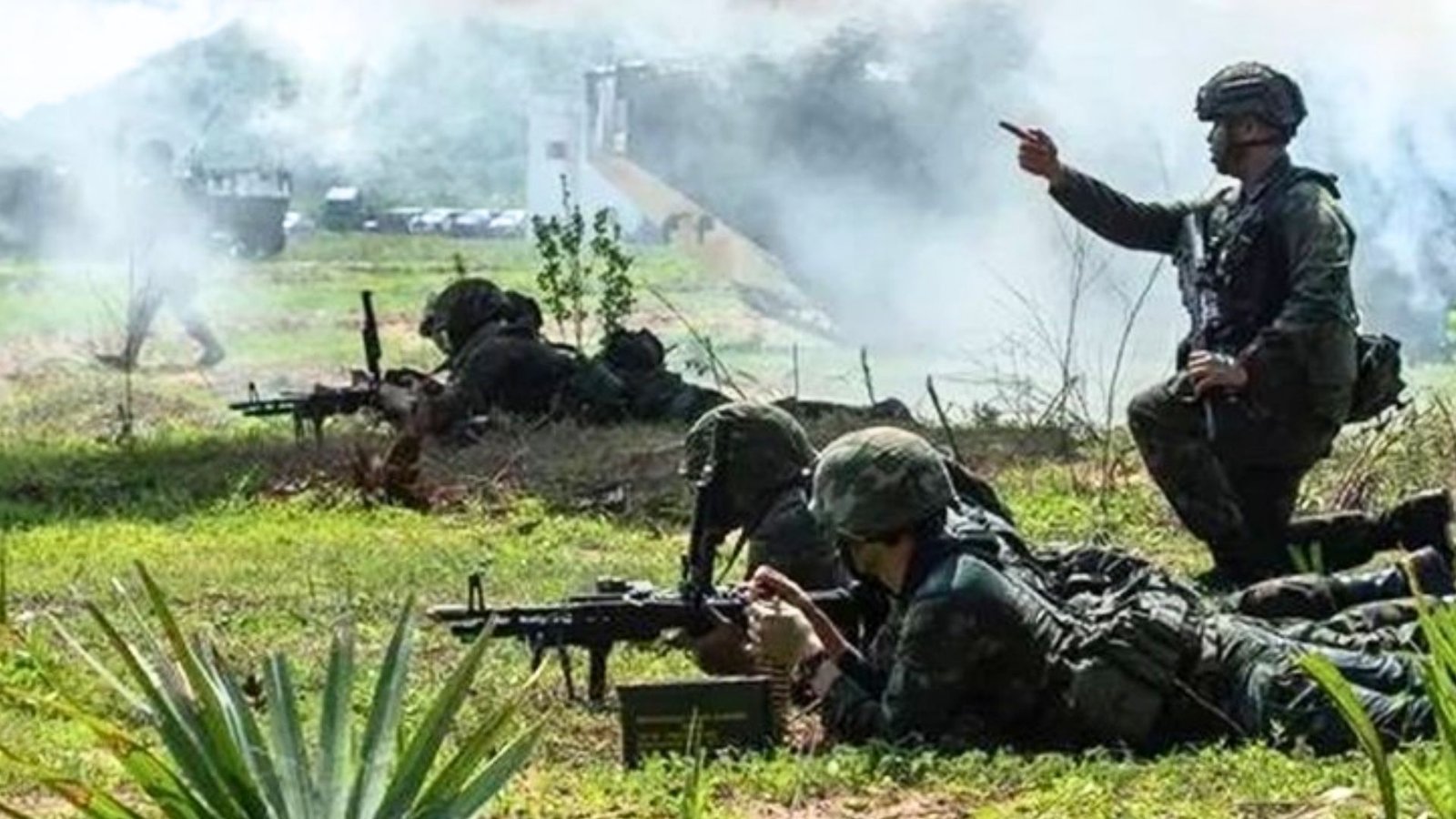
Border tension between Thailand and Cambodia erupted before sunrise, escalating within hours as Thai forces launched airstrikes across the disputed frontier. A Thai soldier was killed, and several others were injured after troops reported heavy Cambodian fire, pushing Thailand to target weapon depots, command posts, and supply routes viewed as immediate threats.
The renewed violence comes only two months after a ceasefire witnessed by Donald Trump, a deal already weakened by landmine incidents, stalled coordination, and growing mistrust. Both sides have blamed each other for triggering the latest clash, intensifying uncertainty over a border long marked by unresolved territorial disputes.
Thai officials ordered evacuations across four provinces as rockets, artillery, and small arms fire rattled communities near the front line. More than 35,000 civilians have moved into shelters, and authorities warn that far more may be displaced if fighting expands. Military commanders say Cambodia mobilized heavy weaponry and repositioned units close to contested zones, raising alarms about a potential offensive.
Cambodia denied the accusations and said Thailand initiated the strikes at dawn, insisting that its troops held their positions without retaliating. Former prime minister Hun Sen urged restraint while accusing Thai forces of attempting to provoke a larger response.
The conflict reignites longstanding disputes tied to colonial-era maps and decades of unresolved claims around temples and border markers. Earlier clashes in July killed at least 48 people and displaced about 300,000, setting the stage for the fragile ceasefire now collapsing under renewed hostilities.
The deterioration of negotiations over the past weeks made another confrontation increasingly likely, and both armies have shown little sign of backing down as the situation worsens.
This escalation signals a dangerous slide back into conflict for two countries already strained by months of instability. With civilian evacuations growing and diplomacy faltering, the region faces renewed risks that could influence security across Southeast Asia.