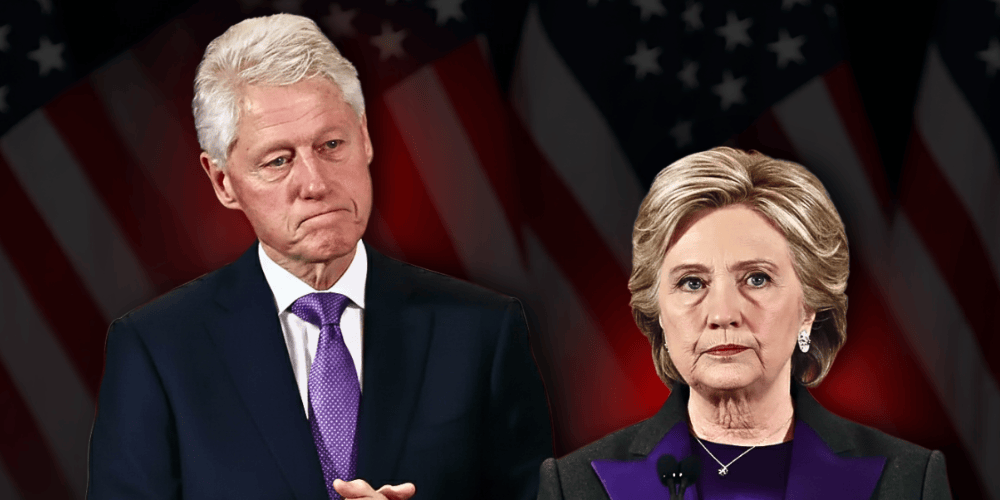
Years after Jeffrey Epstein’s crimes reshaped public trust in elite accountability, Congress is now testing how far its investigative power can reach. On Wednesday, the House Oversight and Government Reform Committee voted to advance criminal contempt of Congress referrals against former President Bill Clinton and former Secretary of State Hillary Clinton for refusing to comply with subpoenas tied to the Epstein investigation.
The Republican-led panel said both Clintons declined to appear for scheduled, closed-door depositions despite repeated requests. Committee leaders argued that testimony under oath and on the record is necessary to determine whether either possessed relevant information about Epstein’s network and long-standing access to powerful figures.
Chairman James Comer said the refusal amounted to willful defiance of a lawful congressional subpoena. The committee voted 34–8 to advance contempt proceedings against Bill Clinton, with nine Democrats joining Republicans.
Support for contempt against Hillary Clinton was more limited, reflecting debate over the scope of her personal interactions with Epstein. Several Democrats said enforcing subpoenas matters regardless of political affiliation, while others warned the move risks appearing selective or punitive.
Democratic members opposing the action argued the Clintons had already provided written information and proposed alternative interview formats. Ranking member Robert Garcia said the committee rejected negotiations that could have secured testimony without escalating to contempt.
Clinton representatives maintain the subpoenas lack a valid legislative purpose and note both have been out of public office for more than a decade.
If the full House approves the contempt resolutions, the referrals would be sent to the Justice Department, which would decide whether to pursue prosecution. The committee has also scheduled testimony from Epstein associate Ghislaine Maxwell and plans further hearings as pressure grows for concrete results.