
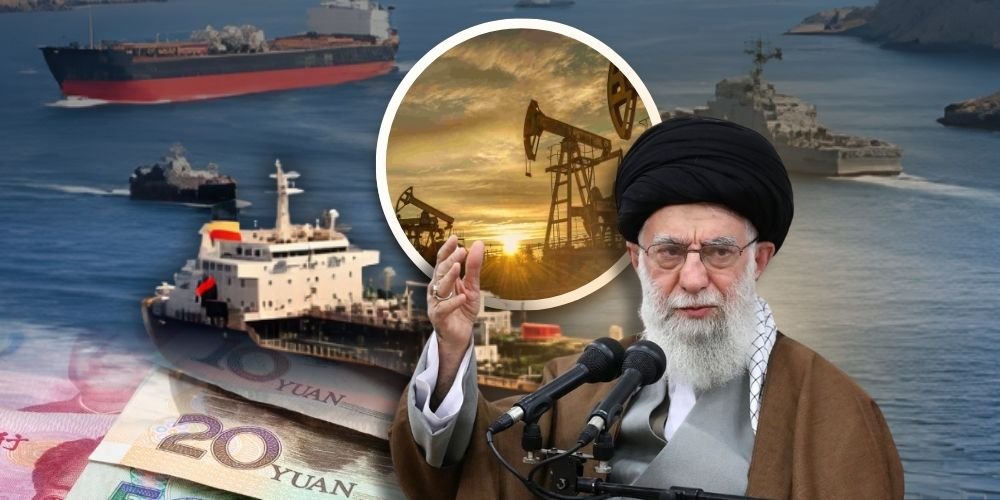
Iran’s oil trade is showing signs of a growing shift toward the use of the Chinese yuan, reflecting how geopolitical tensions and sanctions are influencing global energy transactions.
As Iran continues to export oil there is an increasing reliance on payments denominated in yuan rather than the US dollar. This development highlights how Tehran is adjusting its trade practices under Western sanctions, which have long targeted dollar-based transactions due to their traceability and exposure to international financial systems.
The use of the yuan offers an alternative route. By moving away from the dollar, Iran can reduce the visibility of its transactions within systems that are more easily monitored and restricted by US authorities. This shift underscores how currency choice has become a strategic tool in navigating sanctions and maintaining export flows.
The trend also reflects a broader movement involving China and other sanctioned or sanction-sensitive economies. In energy trade, there is a gradual pivot toward non-dollar currencies, driven by political considerations and the desire to create parallel financial channels less vulnerable to Western control.
However, the yuan remains less flexible and less globally dominant than the US dollar, making it more of a workaround than a full replacement.
The evolving use of the yuan in Iran’s oil exports points to a wider shift in how global trade is conducted under geopolitical strain. Even so, the US dollar continues to hold its position as the primary currency in global energy markets, with alternatives still developing at the margins.