
Manila Mayor Isko Moreno on March 23, 2026 presided over the final presentation and turnover of the concept design package for the proposed Intramuros Forest Park, marking the completion of the project’s design phase and the submission of technical documents to the city government.
The presentation covered the finalized concept design, technical studies, and preliminary cost estimates prepared by the project’s technical team. Officials said the package reflects revisions made after earlier consultations and feedback from the local government. The materials are intended to guide the next stages of review and possible implementation, pending further approvals.
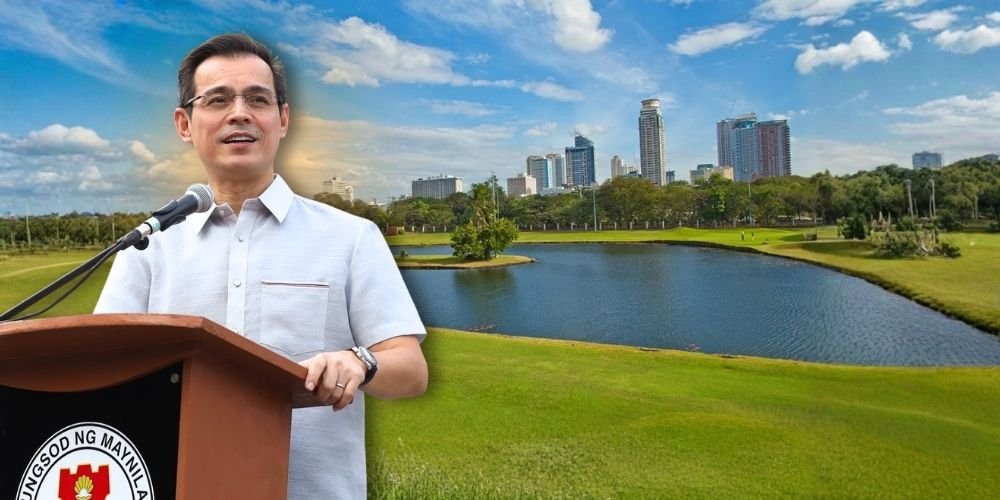
The project site is currently occupied by the Club Intramuros Golf Course, a long-standing leisure facility located along the perimeter of the historic walled city. The area traces its origins to the Spanish colonial period, when it served as a defensive moat and glacis protecting Intramuros. During the American era, the moat was filled and converted into a landscaped public garden, which later evolved into municipal golf links and eventually the present-day golf course.
In February, officials disclosed that the estimated project cost is about ₱2.3 billion. The concept design and cost study were prepared with technical support from international partners and were submitted to Malacañang as part of a proposed infrastructure and heritage initiative involving both national and local government agencies.
Under the proposal, the golf course would be redeveloped into a large public green space known as the Intramuros Forest Park. Plans include forested areas planted with native trees, walking and cycling paths, and a riverfront promenade along the Pasig River. The design also outlines multiple zones such as a campus garden with open lawns, an outdoor theater, playgrounds, and food kiosks; a gateway park serving as the main entrance; and an urban park section with sports facilities, viewing decks, and a riverwalk.
Project documents describe the development as a public green space intended to improve accessibility, expand recreational areas, and integrate environmental features within the historic district. The proposal also highlights the use of landscaped open spaces and tree cover to support urban cooling and biodiversity.