

Japan is preparing to change a law that has shaped its sex trade for nearly 70 years. For decades, the Anti-Prostitution Act has punished people who sell sex while leaving most buyers outside the criminal net.
That gap is now under formal review after a high-profile exploitation case drew national attention. The Justice Ministry says it will convene an expert panel by the end of March to examine possible revisions.
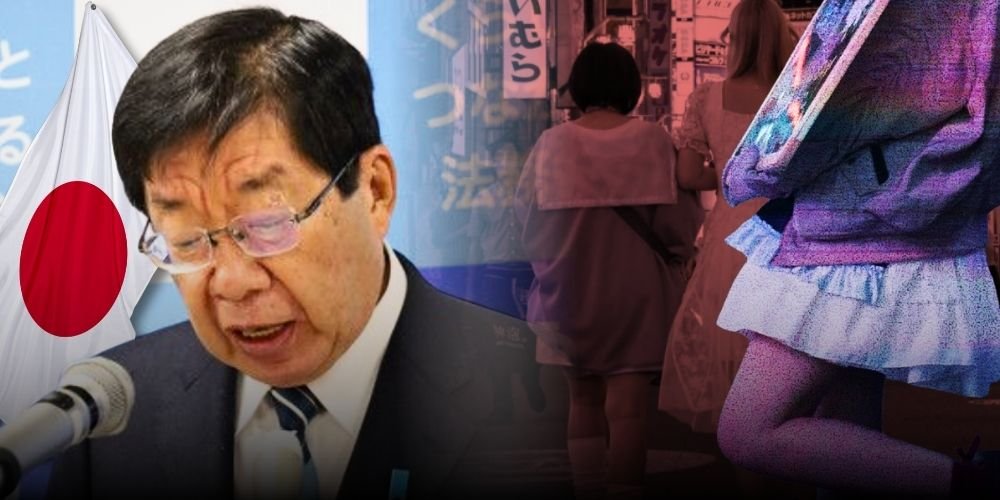
At present, the 1956 Anti-Prostitution Act criminalizes public solicitation and activities that promote prostitution, but it does not penalize customers. Justice Minister Hiroshi Hiraguchi has confirmed that the ministry is studying whether to add penalties for buyers. The review began after Prime Minister Sanae Takaichi (高市早苗) instructed him in the Diet to reassess the law.
The immediate trigger was a case in which a man was arrested for allegedly employing a 12-year-old Thai girl at a Tokyo private-room massage parlor and forcing her to provide sexual services to male clients. Japan already punishes customers when the sex worker is a minor under separate child protection statutes. The incident nevertheless highlighted how transactions involving adults remain largely beyond criminal sanction.
Accordingly, the new panel will include lawyers, judges, prosecutors, and criminal law scholars. It is expected to weigh two main options: introducing explicit penalties for buyers or raising existing penalties for solicitation. The ministry has said it is reviewing both domestic conditions and how other countries regulate sex buying.
Meanwhile, officials say visible street-level solicitation in districts such as Kabukicho has become a growing social concern. Local communities have complained that it creates nuisance and safety risks. Hiraguchi has described this environment as one reason the ministry is acting now.
In parallel, U.S.-based reports note that many countries, including most American states, already criminalize both selling and buying sex. Japan’s system remains an outlier in that regard. Ministry officials say they are studying these models before drafting any proposal.