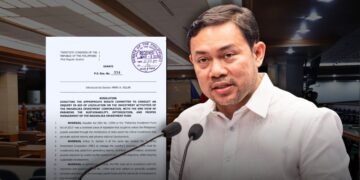

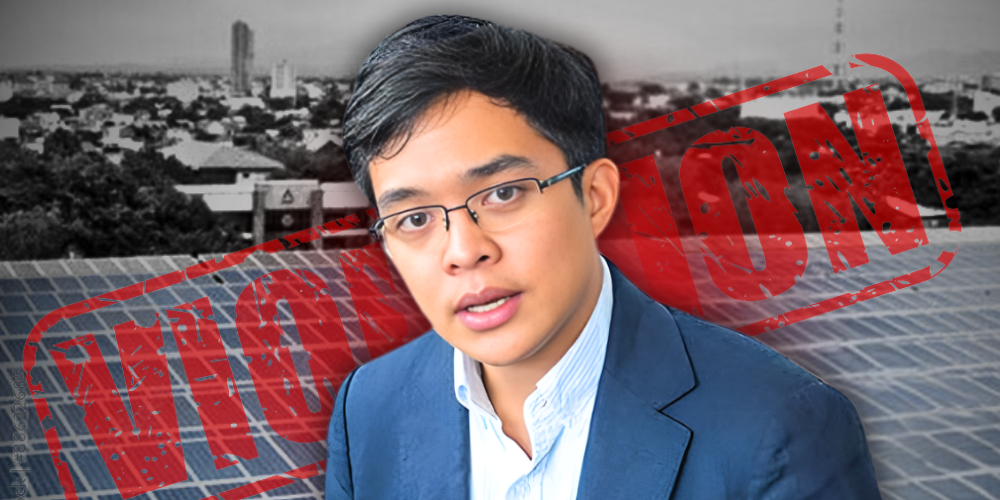
The Department of Energy has identified Solar Philippines Power Project Holdings Inc. as the largest contributor to a recent wave of terminated renewable energy service contracts, a move that could result in ₱24 billion in penalties tied to unfulfilled project obligations.
Energy Secretary Sharon Garin said the amount represents a combination of performance bonds, administrative liabilities, and projected costs defined under the canceled agreements. The penalties follow a department-wide review of project compliance and development progress.
Based on department records, service contracts covering 17,904 megawatts of capacity were revoked between 2024 and 2025. Solar Philippines accounted for 11,427 megawatts of the canceled capacity, equivalent to about 64 percent of the total. The company was founded by Batangas Rep. Leandro Leviste. Most of the terminated projects involved solar facilities located in Luzon, including several awarded under the initial rounds of the Green Energy Auction.
According to the department, the cancellations followed repeated compliance checks and the issuance of show-cause orders. In certain cases, required progress reports were not submitted, triggering automatic termination under existing contract rules. Some projects carried development deadlines extending to Dec. 25, 2025.
The department said the review was conducted to address stalled developments commonly referred to as “zombie” projects, which have remained inactive despite holding service contracts. Officials said the cancellations are intended to free up land, grid access, and other limited resources for developers with the capacity to complete projects within approved timelines.
The department is now assessing whether the affected project sites may be reopened through the Open and Competitive Selection Process, which allows new proponents to bid for available areas. The government has reported a renewable energy capacity shortfall of approximately 17 to 18 gigawatts under its auction programs.
The energy department is also reviewing its contracting and qualification policies to strengthen screening standards for future applicants. Garin said the enforcement actions are intended to ensure that awarded renewable energy projects result in completed facilities that can supply power to the national grid.