


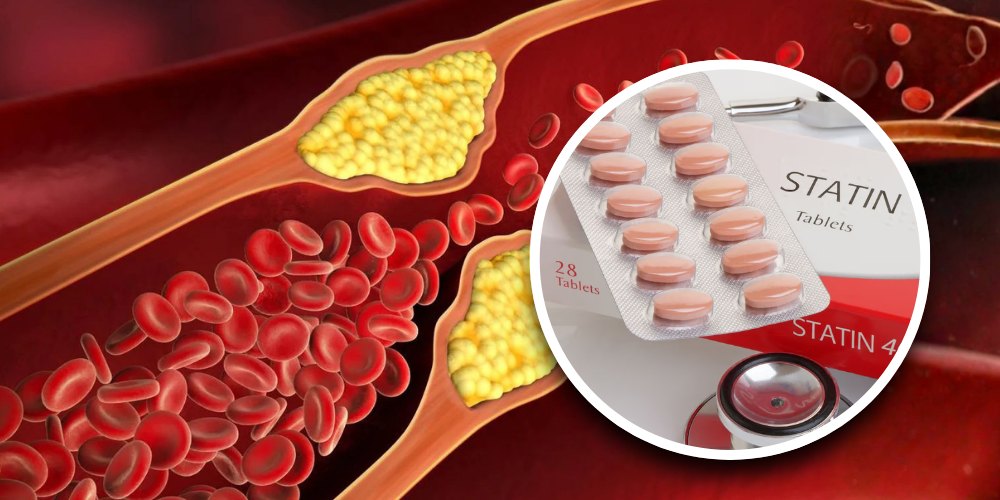
A daily pill being tested by researchers may soon reshape how doctors treat dangerous cholesterol levels, especially for patients who remain vulnerable to heart attacks despite taking standard medication. Early findings show the experimental drug enlicitide can dramatically reduce low-density lipoprotein, commonly called bad cholesterol, offering what scientists believe could become a simpler alternative to injectable treatments if regulators approve its use.
Doctors have long relied on statins as the primary defense against high cholesterol because they slow the liver’s production of the substance. Yet many patients continue to struggle with elevated LDL levels even after receiving the highest recommended doses. Researchers examined whether enlicitide could strengthen treatment by targeting cholesterol removal through a mechanism usually achieved using injectable drugs.
A large clinical trial tracked more than 2,900 high-risk patients who continued their standard therapy while receiving either the new pill or a placebo. Results published in the New England Journal of Medicine showed those taking enlicitide reduced LDL cholesterol levels by as much as 60 percent within six months. Study lead author Dr. Ann Marie Navar, a cardiologist at UT Southwestern Medical Center, said existing add-on pills do not match the level of cholesterol reduction observed in the trial.
Researchers reported the pill maintained most of its effectiveness over a year and found no major safety differences between participants taking the drug and those receiving placebo. The medication must be taken on an empty stomach, which researchers identified as a limitation. Current injectable drugs known as PCSK9 inhibitors can also produce significant cholesterol reductions by blocking a liver protein that restricts cholesterol clearance from the bloodstream. However, only a small portion of eligible patients use them, partly because injections are less convenient and more complicated to prescribe.
Merck funded the study and is seeking approval from the United States Food and Drug Administration, which placed the drug under an accelerated review program. Independent expert Dr. William Boden described the findings as compelling but warned that researchers still need longer studies to determine whether the cholesterol reductions lead to fewer heart attacks, strokes, or deaths. A larger trial involving more than 14,000 patients is already underway to answer those questions.