

The Makabayan bloc raised sharp questions over how Congress can credibly police the implementation of the 2026 national budget when lawmakers themselves shaped and stand to benefit from large portions of its allocations.
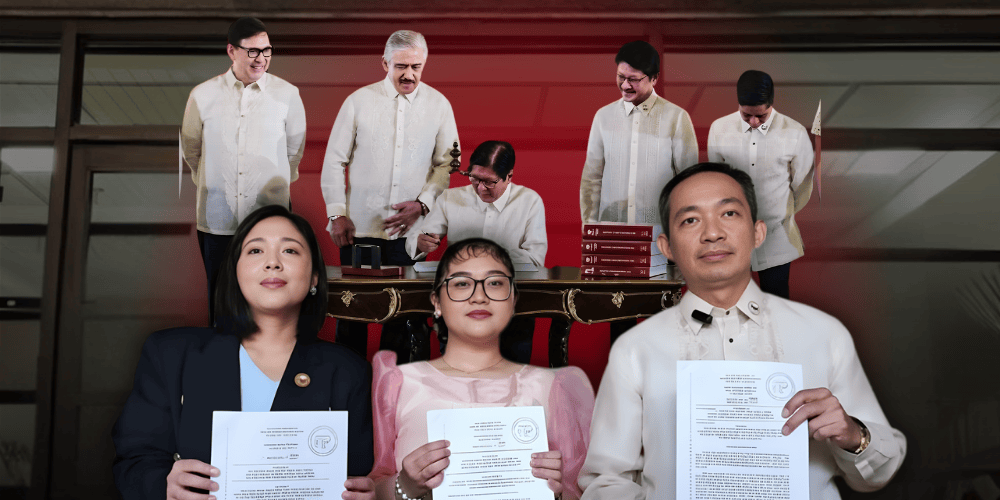
In a joint statement, ACT Teachers party-list Rep. Antonio Tinio, Gabriela party-list Rep. Sarah Elago, and Kabataan party-list Rep. Renee Co cautioned against placing confidence in a proposed congressional oversight committee tasked with monitoring budget spending, particularly the system of allocables and infrastructure items tied to legislators.
“We should not put much credence on this supposed ‘oversight committee’ because how will Congress exercise oversight over the system of ‘allocables’ or congressional allocations for infrastructure that benefit its members? Will the lawmaker proponents investigate themselves?” the Makabayan bloc said.
They pressed further on the issue of pork-related items embedded in the 2026 budget.
“How will Congress exercise oversight over the various pork items that lawmakers themselves have a hand in implementing?” they added.
According to the bloc, lawmakers cannot be expected to conduct rigorous scrutiny when oversight runs counter to their own political and financial interests.
“We cannot expect lawmakers to do all these things because it goes against their vested interests of taking advantage of the pork barrel system,” they said.
The statement was issued as proposals gained traction to form a joint House-Senate oversight committee to track national expenditures following the signing of the 2026 General Appropriations Act. Senator Sherwin Gatchalian earlier said both chambers were moving to establish the panel to improve monitoring of spending and address issues such as agency underspending, foreign-assisted projects, and delayed hospital construction.
Makabayan questioned whether such a mechanism could meaningfully check budget execution when the allocations under review include projects inserted and influenced by members of Congress themselves.
“The real oversight will be the public’s continuing fight against all forms of corruption. It is the people who would monitor and fight against the abuse of public funds,” the bloc added.
Other lawmakers have defended Congress’ oversight role over the 2026 budget. House Speaker Faustino “Bojie” Dy III earlier said the House would be strict in scrutinizing budget implementation to ensure efficiency and proper use of funds. Bicol Saro party-list Rep. Terry Ridon also pointed to congressional hearings and public participation as tools to promote transparency in the P6.793 trillion budget.
Mamamayang Liberal party-list Rep. Leila de Lima, meanwhile, backed the creation of a joint oversight committee as a step toward transparency but acknowledged lingering risks in the budget.
“Although we were able to do our utmost in scrutinizing the budget for this year, we cannot be complacent that this budget is corruption-free, especially since there are still unprogrammed appropriations or ‘shadow pork,’ allocations for ‘soft pork’ which are prone to patronage-politics also ballooned, and there are still no big fish/es being held accountable in the massive plunder of public funds,” de Lima said.
For the Makabayan bloc, these concerns underscore what they see as a structural conflict at the heart of the 2026 budget process. As Congress moves to assert tighter oversight, they argue that accountability over allocables and pork-linked projects cannot rest on lawmakers alone, particularly when the same institution crafted and controls those funds.