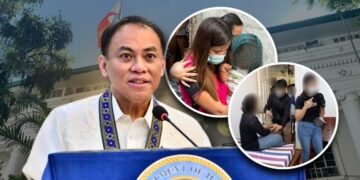


Malacañang moved to situate a recent public appearance involving the First Lady within the realm of cultural diplomacy, stressing that symbolic interactions should not be conflated with formal state policy as Manila navigates a delicate relationship with Beijing.
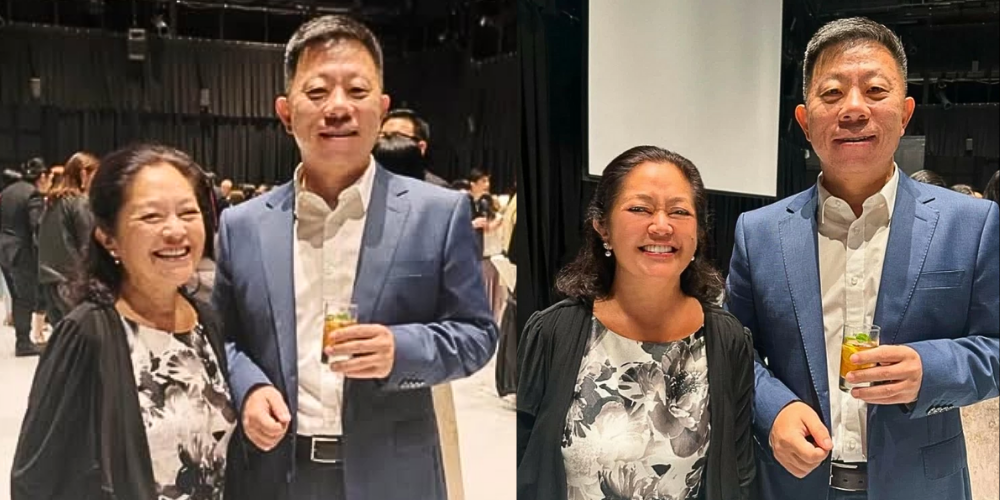
The Palace clarified that First Lady Liza Marcos’ presence at a piano concert in Makati, where she briefly met Chinese Ambassador Jing Quan, was consistent with long-standing practice among spouses of heads of state who regularly attend international and diplomatic cultural functions. The event, featuring Chinese pianist Lang Lang, later drew attention after photos of the two circulated on social media.
Palace Press Officer Claire Castro said such encounters do not signal any recalibration of Philippine foreign policy, noting that the First Lady does not participate in diplomatic negotiations or decision-making. She added that the administration has no official account of what, if anything, was discussed between Marcos and the ambassador.
The Palace’s response comes against a backdrop of strained public exchanges between Philippine officials and the Chinese Embassy, particularly over the West Philippine Sea, where sharp statements from embassy representatives have prompted concern within the Senate and the Department of Foreign Affairs. While some lawmakers have floated stronger measures, including diplomatic sanctions, Malacañang emphasized restraint.
According to the Palace, the administration remains anchored on diplomacy as its primary tool in managing relations with China. Cultural engagements, it said, are meant to keep channels open and reduce friction, not to override official positions or ongoing disputes. By drawing a clear line between symbolism and policy, Malacañang sought to reinforce that engagement and dialogue remain central to how the Philippines intends to handle its ties with Beijing.