

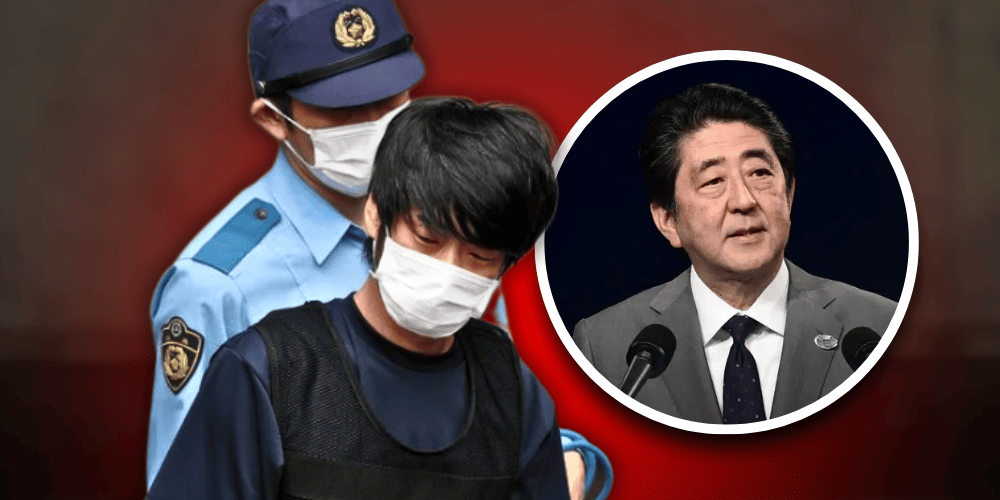
More than three years after the killing that stunned Japan, a court has delivered its final judgment. The assassination of former Prime Minister Shinzo Abe in 2022 marked one of the most serious acts of political violence in the country’s postwar history.
Since then, the case has remained under close public and legal scrutiny. This week, that process reached its conclusion. A Japanese court sentenced the attacker to life imprisonment.
The Nara District Court handed down the sentence to Tetsuya Yamagami, 45, who admitted to shooting Abe during a campaign speech in the city of Nara in July 2022. Yamagami used a homemade firearm and was arrested at the scene. Abe, who was 67, died shortly after the attack. The killing shocked a country known for strict gun laws and extremely low levels of firearm violence.
Prosecutors argued that the crime involved clear intent and preparation. They described the act as extremely serious, noting that it took place in public and endangered others nearby. The judges agreed, calling the killing malicious and dangerous. Under Japanese law, life imprisonment is reserved for the most severe offenses, although the death penalty remains available in some murder cases.
During the trial, Yamagami’s defense sought a lighter sentence. Lawyers said his actions were influenced by long-standing resentment toward the Unification Church, a religious group his mother supported through large financial donations. Court testimony showed that those donations caused significant financial harm to his family. Yamagami said he targeted Abe after seeing the former leader appear at events linked to the group.
The court rejected arguments that this background reduced responsibility. Judges questioned the link between resentment toward a religious organization and the decision to kill a political figure. Prosecutors also stressed that Abe had not directly harmed Yamagami or his family.
Beyond the criminal case, the assassination led to broader consequences. Investigations uncovered ties between politicians and the Unification Church, prompting resignations and legal action that stripped the group of its religious status in Japan. Authorities also strengthened security for political events nationwide.