
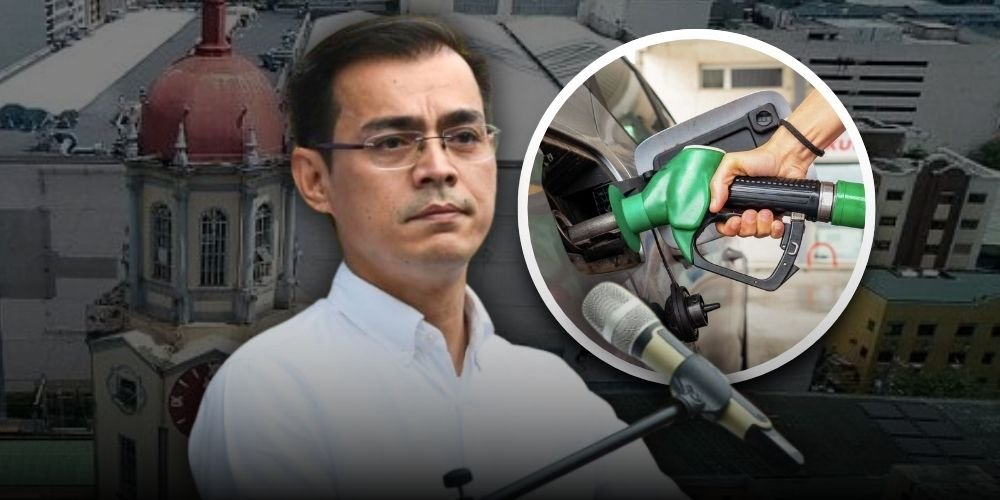
Manila Mayor Isko Moreno has implemented a 50% reduction in fuel usage across city government operations, responding to the rising global oil prices exacerbated by geopolitical tensions in the Middle East. Executive Order No. 7, signed on March 2, 2026, aims to mitigate the financial strain on the city’s budget due to escalating fuel costs.
The order comes amid concerns over the blockade of the Strait of Hormuz, a critical oil passage that affects global supply, including the Philippines. The mayor highlighted the potential for further fuel price hikes and the need for the city to prepare for the economic impact. The directive targets non-essential city operations, cutting down on fuel use for vehicles, meetings, and deliveries. City departments are instructed to minimize travel and switch to virtual meetings where possible.
However, essential services such as emergency response, healthcare, and waste management remain exempt from the fuel restrictions to ensure continued public service delivery. The measure aims to stretch public funds further by reducing unnecessary expenditure, especially as the cost of fuel remains volatile.
Moreno’s office emphasized that the move is a precautionary measure, aiming to secure public funds and continue essential services despite rising fuel costs. The city will reassess the fuel cut policy as fuel prices stabilize. This decision reflects a broader effort to balance fiscal responsibility with the need to maintain government operations amidst a growing oil crisis.
The fuel reduction will remain in effect until conditions improve, with the city government actively monitoring the situation.