

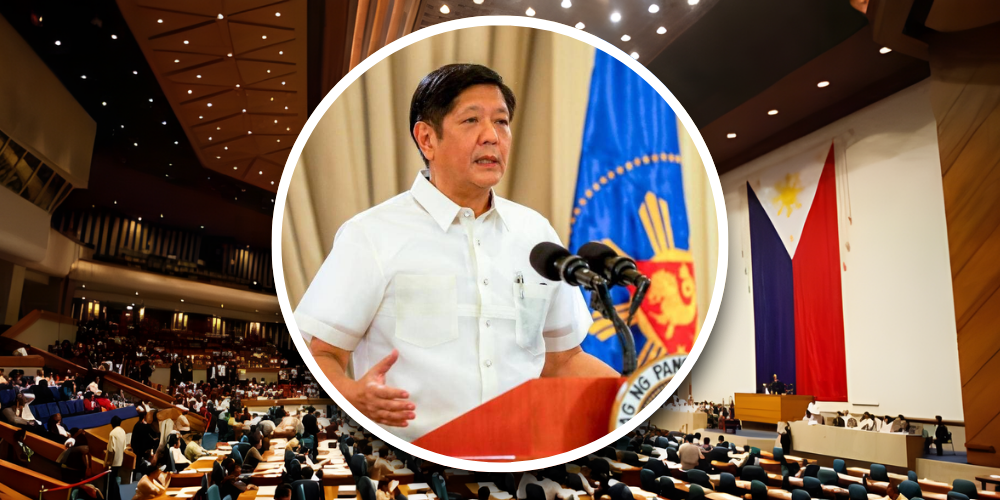
With President Bongbong Marcos expected to sign the ₱6.793 trillion 2026 national budget on January 5, civil society watchdogs intensified calls for decisive executive action, warning that more than ₱633 billion in proposed allocations could be vulnerable to corruption or patronage if approved without vetoes, safeguards, or strict implementation controls.
In a letter addressed to Marcos ahead of the signing deadline, the People’s Budget Coalition and the Roundtable for Inclusive Development said the budget remains riddled with what they described as three forms of pork barrel spending: hard, soft, and shadow pork. The groups said the President’s remaining window before signing is critical to prevent politically driven spending from being locked into law.
The watchdogs identified roughly ₱180 billion in infrastructure allocations as hard pork, warning that major projects such as roads, bridges, and flood control works are susceptible to duplication, inflated pricing, and redesign based on political discretion rather than technical planning. Instead of recommending a blanket veto, the groups urged that these projects be subjected to expanded citizen monitoring, pointing to existing initiatives that publicly disclose project costs, contractors, locations, photos, and progress to allow independent oversight.
For soft pork, the groups flagged about ₱210 billion in discretionary assistance programs that are often implemented through political channels. These include confidential and intelligence funds as well as large aid programs such as the Medical Assistance to Indigent and Financially Incapacitated Patients Program and the Assistance to Individuals in Crisis Situations. According to audit findings cited by the watchdogs, these programs have long been marked by political intervention, including the use of guarantee letters and public cash distribution events involving elected officials, reinforcing perceptions of patronage. The groups called for these programs to be redesigned as rights based and rules based, and urged the President to reallocate ₱51 billion from MAIFIP to Philippine Health Insurance Corp. to strengthen funding for universal health care.
Other programs identified as vulnerable to political influence include Tulong Panghanapbuhay sa ating Disadvantaged at Displaced Workers, assistance to farmers and fisherfolk, Tulong Dunong, financial aid to local government units, the Growth and Equity Fund, and support for barangay programs under the National Task Force to End Local Communist Armed Conflict. The watchdogs said that if executive orders cannot be issued before the budget is signed, these allocations could be placed under conditional implementation or delayed release, coupled with strict prohibitions against political involvement in beneficiary selection.
The groups also urged Marcos to veto ₱243 billion in unprogrammed appropriations, describing them as shadow pork because they are released with limited transparency and legislative scrutiny and depend on the realization of excess revenues. They noted that while both the House and Senate versions of the budget reduced unprogrammed funds, the bicameral conference committee later restored the allocations.
While acknowledging improvements in the budget process, including the livestreaming of bicameral meetings and wider public access to budget documents, the watchdogs said structural reforms remain necessary beyond the 2026 budget. They called on the President to certify urgent measures related to budget transparency, freedom of information, public financial management modernization, the creation of an independent people’s commission, and political party reforms as part of efforts to address long standing weaknesses ahead of the 2027 budget cycle.