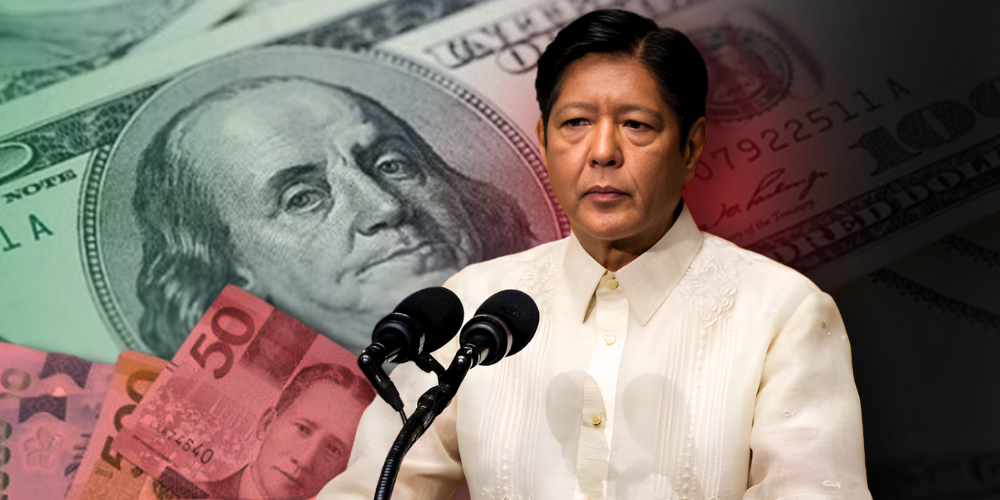
The Marcos administration is returning to the global debt market this week with a new US dollar bond sale as the government seeks additional budgetary support and the repayment of part of its existing borrowings.
The Philippine government plans to issue benchmark-sized, dollar-denominated global bonds expected to raise at least $500 million. The offering will be divided into three tranches with maturities of 5.5 years, 10 years, and 25 years, which will mature in 2031, 2036, and 2051. The transaction is scheduled to be settled on January 27.
The Bureau of the Treasury said the planned issuance builds on the government’s recent record of offshore borrowings. These include a dual-currency issuance totaling $2.25 billion and €1 billion in January 2025, a $2.5 billion triple-tranche bond sale in August 2024, and a $2 billion dual-tranche offering in May 2024.
National Treasurer Sharon Almanza said market conditions have been favorable for the Philippines to return to the international capital markets. “We have seen favorable market conditions for the Republic to return to the international capital markets today,” Almanza said. She added that the transaction is anchored on stable economic fundamentals and recent credit affirmations, and reflects the government’s approach to securing cost-efficient funding while advancing development priorities.
Finance Secretary Frederick Go said the bond sale reflects confidence in the government’s fiscal policy direction and reform agenda. He said the administration expects continued support from the global investment community and a successful outcome for the offering.
Market analysts said recent global bond issuances have seen strong demand, describing current market conditions as constructive. They said accessing the market at this time allows the government to secure longer-term financing while investor sentiment remains supportive.
The planned issuance comes as the Philippine peso has been hitting historic lows in recent months, with the latest record at 59.46 against the US dollar.
Despite currency pressures, the proposed bonds have received investment-grade ratings of Baa2 from Moody’s Ratings, BBB+ from S&P Global Ratings, and BBB from Fitch Ratings. The ratings indicate a moderate risk profile and reflect assessments that the Philippine government remains capable of meeting its financial obligations.