
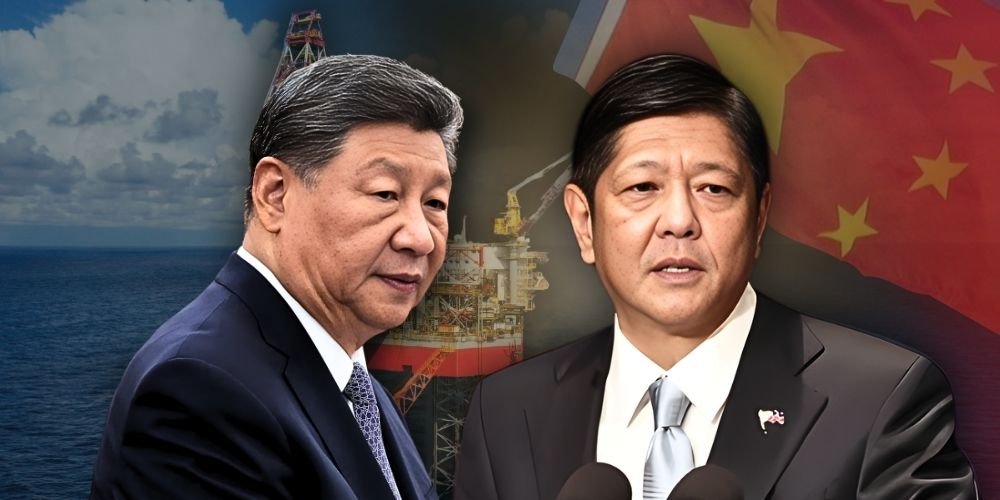
President Bongbong Marcos said the Philippines is open to reviving joint oil and gas talks with China as global tensions begin to strain energy supply and reshape regional strategy.
In an exclusive interview with Bloomberg on March 24, Marcos pointed to the escalating conflict in the Middle East as a factor that could push both sides back into negotiations. Talks between Manila and Beijing have remained stalled for years due to disputes in the South China Sea.
“That’s something we’ve been talking about for a great deal, but territorial disputes are getting in the way of that,” Marcos said. “Maybe this provides impetus for both sides to come to an agreement.”
Marcos and Chinese President Xi Jinping agreed in 2023 to resume discussions on joint oil and gas development, but negotiations have not moved forward. Earlier talks were terminated in 2022 due to unresolved sovereignty and constitutional concerns.
In the same interview, Marcos said global developments are forcing governments to rethink alliances and economic priorities. “There’s going to be a very, very serious restructuring,” he said.
For Filipinos, the issue directly affects fuel prices and daily expenses. The country relies heavily on imported energy, so global disruptions can lead to higher pump prices, transport fares, and costs of basic goods.
The Philippines is under pressure to secure its energy supply as output from the Malampaya gas field declines. The country has begun importing liquefied natural gas and is exploring other sources, including crude oil from Russia, to stabilize supply.
The renewed push for talks comes as the Middle East conflict drives volatility in global oil markets. The Philippines declared a national energy emergency on March 24 to address risks to fuel supply and economic stability.
Despite this, Marcos said foreign policy remains anchored on stability. “Our foreign policy is very simple. Peace and national interest,” he said. “War is never in the national interest as far as the Philippines is concerned.”