


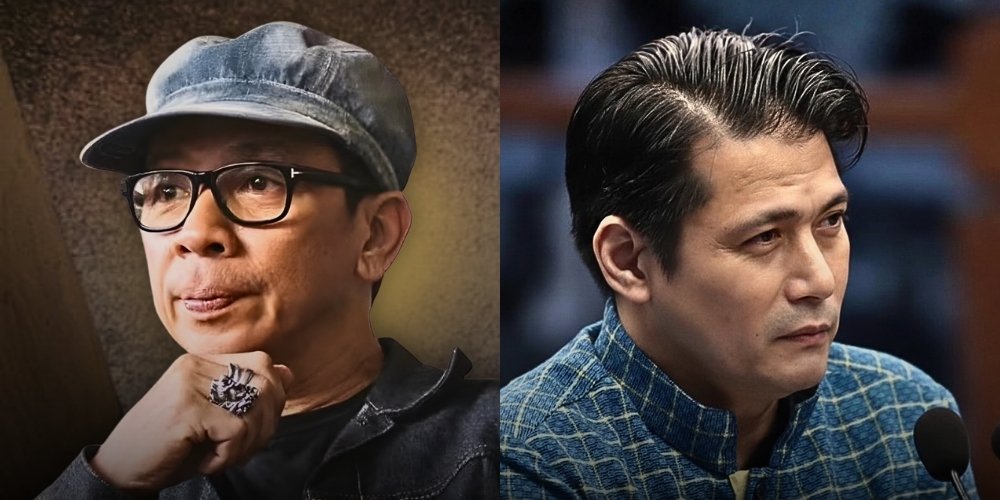
Public attention turned to youth mental health after Kuya Kim Atienza made a statement following remarks by Robin Padilla about today’s younger generation, as conversations around rising suicide data gained traction online.
Padilla earlier said today’s kids are “weak,” a comment he linked to reports and data on mental health struggles and suicide among the youth. His statement pointed to concern over what the numbers show and the broader condition of young people today. The remarks drew wide attention and brought renewed focus to how mental health data is discussed in public.
Atienza, speaking after Padilla’s comments, centered his message on awareness and understanding. He acknowledged the seriousness of the data being cited and stressed that mental health struggles are real and ongoing. He said these issues should be treated with care and taken seriously, especially as more reports highlight depression and suicide among young people.
In a post, Atienza underscored the importance of support regardless of differing views. “While views may differ on how depression is understood across generations, one thing is clear: support should always be available. That’s why we’ve put together a list of 24/7 crisis hotlines, because whether or not the word was used before, the need for help is real for many today,” he wrote.
He emphasized that conversations about mental health should help reduce stigma rather than reinforce it. Atienza pointed out that statistics on suicide and emotional distress should push communities to be more attentive and supportive. He framed the issue as one that calls for empathy, education, and open dialogue, especially at home and in schools.
The discussion did not unfold as a personal clash. Instead, it reflected different ways of approaching the same concern. Padilla explained that his remarks were rooted in available studies, citing a 2021 survey which showed that nearly one in five Filipino youth aged 15 to 24 had thought about ending their lives. He pointed to the data as a basis for alarm over the state of youth mental health, while Atienza focused on how those realities should lead to greater awareness and understanding.
As the topic continues to circulate, both statements have contributed to a broader conversation on mental health. The attention has stayed on the need for responsible discussion, public awareness, and compassion, especially as more data brings youth mental health issues into clearer view.