


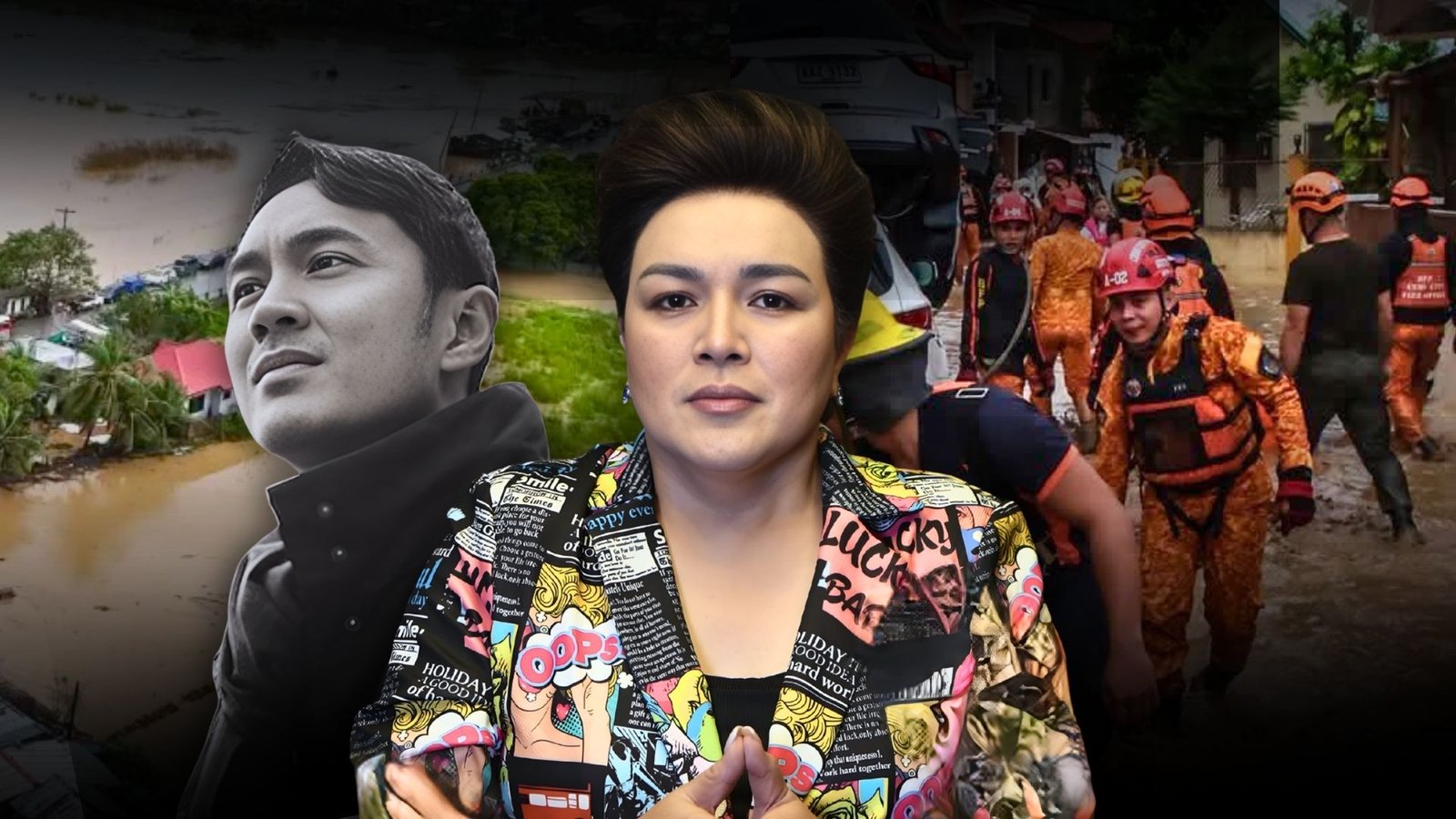
PGMN anchor Atty. Regal Oliva said the recent flooding in Cebu should not be attributed to the Monterrazas de Cebu development, asserting that the disaster was instead caused by flood control failures, altered river systems, environmental degradation, and long-standing government negligence.
Speaking in a new PGMN episode, Oliva said the Cotcot, Butuanon, and Mananga rivers did not merely overflow during Typhoon Tino but became lethal due to human actions that compromised their natural behavior. Entire barangays were submerged within minutes, homes were destroyed, livelihoods were erased, and families lost children and elderly members as floodwaters rose rapidly.
Watch the full episode here:
“These deaths are not acts of God,” Oliva said, describing them as the legal consequences of negligence. She stressed that the destruction should not be categorized as typhoon damage alone, but as the result of substandard government projects and regulatory failures.
Oliva said the Cotcot River breached after its natural course was engineered into a forced bend, which she said violated Article 638 of the Civil Code prohibiting the alteration of river courses without lawful authority. She explained that the engineered bend created a water-hammer effect that led to sudden flooding, forcing residents to climb rooftops and electric posts as entire sitios were inundated.
She also cited the Butuanon River overflow, saying planned drainage systems were altered and downstream capacity was reduced by sediment buildup. When the river spilled over, she said, floodwaters tore through homes, swept away vehicles, and left families clinging to debris. Oliva noted that local officials had admitted flood control projects were not designed to withstand the volume of rainfall brought by Typhoon Tino.
“Then what were they designed for?” Oliva said, questioning the purpose of publicly funded flood control structures.
Oliva alleged that the use of cheap materials, politically driven approvals, and corruption contributed to infrastructure failures that could not withstand the hazards they were meant to prevent. She cited potential liabilities under the Anti-Graft and Corrupt Practices Act, procurement laws, the Clean Water Act, the Local Government Code, and Article 365 of the Revised Penal Code on reckless imprudence resulting in homicide and damage to property.
She also linked the Mananga River surge to years of mining and quarrying activities upstream, which she said stripped mountains of soil and weakened the watershed. When the river overflowed, Oliva said, it carried heavy silt from denuded slopes, intensifying destruction downstream. Families were forced to evacuate with nothing but the clothes they were wearing, losing homes built over decades in a matter of seconds.
Oliva cited alleged violations of the Philippine Mining Act of 1995, DENR quarrying guidelines, the Fisheries Code, and environmental regulations.
Despite these factors, Oliva said public attention was diverted toward Monterrazas de Cebu, which she described as a geographical impossibility. She said Monterrazas has no hydrological path to the Cotcot River, no watershed interaction with the Butuanon River, and contributes no runoff to the Mananga River.
Under DENR regulations, Oliva said environmental liability requires direct and measurable impact, a standard she said Monterrazas does not meet. She added that liability under the law attaches to project proponents and approving authorities, not to employees without control over design or hydrology.
Oliva said Cebu’s geography makes the causes of the flooding clear, stressing that rivers reflect the consequences of human intervention. According to her, the Cotcot River points to forced diversion, the Butuanon to flood control designed to fail, and the Mananga to environmental damage from mining and quarrying.
“These rivers are not confused,” Oliva said. “They tell the truth in debris, silt, destruction, and death.”
She concluded by calling for accountability that goes beyond expressions of sympathy, saying Cebu deserves legal, moral, and political responsibility for decisions that led to the collapse of three river systems in a single day.