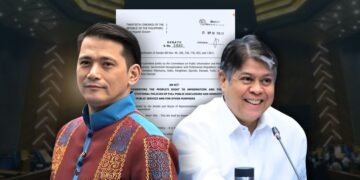

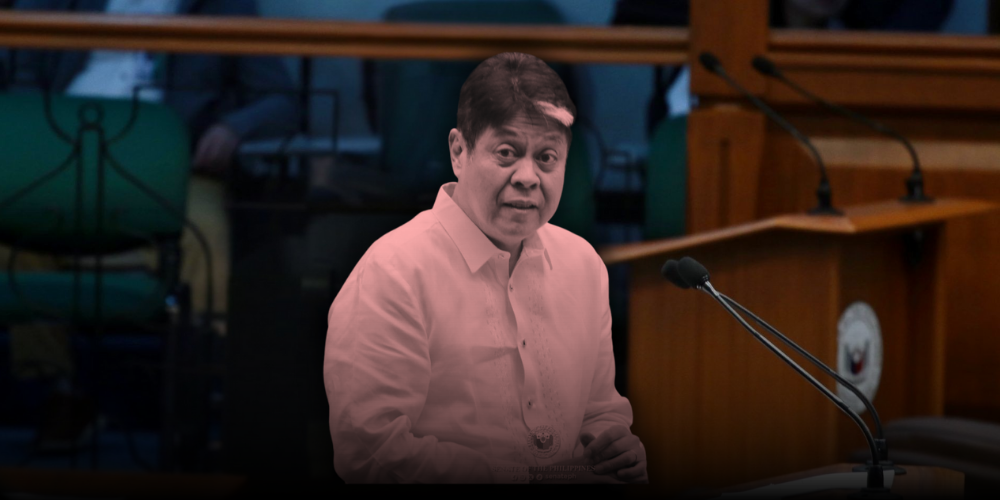
Senator Kiko Pangilinan is set to relinquish his post as chair of the Senate committee on constitutional amendments as part of a broader reorganization of committee leadership in the chamber, a move framed by Senate leaders as a deliberate step to ease internal realignments.
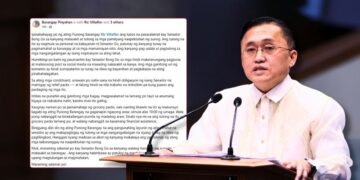
Senate President Pro Tempore Ping Lacson said Pangilinan agreed to step aside from the committee “as a gesture of goodwill,” underscoring that the decision came from Pangilinan himself amid shifting power dynamics in the Senate. Lacson said the change may be formalized in plenary next week.
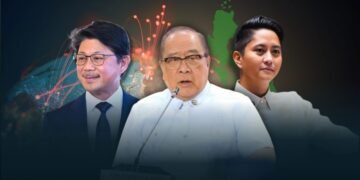
Pangilinan’s move comes at a sensitive moment in the chamber, as committee leadership is being reshuffled following weeks of tension triggered by a diplomatic dispute involving the Chinese Embassy in Manila. Pangilinan was at the forefront of that debate, having sponsored a Senate resolution condemning public statements issued by the embassy, which he said had “crossed a line.”
The resolution drew support from 15 senators, including Pangilinan, Lacson, Majority Leader Migz Zubiri, Deputy Majority Leaders JV Ejercito and Risa Hontiveros, and Senators Bam Aquino, Jinggoy Estrada, Win Gatchalian, Lito Lapid, Loren Legarda, Erwin and Raffy Tulfo, and Camille and Mark Villar.
As the issue gained traction, the implications of constitutional reform and committee leadership were also discussed in public forums, including a recent episode on PGMN, where PGMN Anchor Orion Perez D examined the timing and political stakes of Charter change debates now resurfacing in Congress.
Lacson confirmed that the committee reshuffle also affects other key panels, including foreign relations, which he described as a major committee traditionally held by members of the majority bloc because of its national security and diplomatic implications.
“For obvious reasons, the Senate Foreign Relations Committee, like the Blue Ribbon, etc., is a major and significant committee that is normally reserved to the majority bloc,” Lacson said.
The broader controversy traces back to criticism by the Chinese Embassy over a social media post by Philippine Coast Guard spokesperson Jay Tarriela that featured altered images of Chinese President Xi Jinping during an academic event. The episode sharpened divisions within the Senate over how the Philippines should respond to foreign diplomatic pressure.
The Senate committee on constitutional amendments, which Pangilinan is set to leave, plays a central role in reviewing proposed changes to the Charter and revisions to major legal codes. His decision to step aside places him at the center of a wider political recalibration now unfolding in the chamber, highlighting how individual leadership choices are shaping the Senate’s evolving balance of power.