

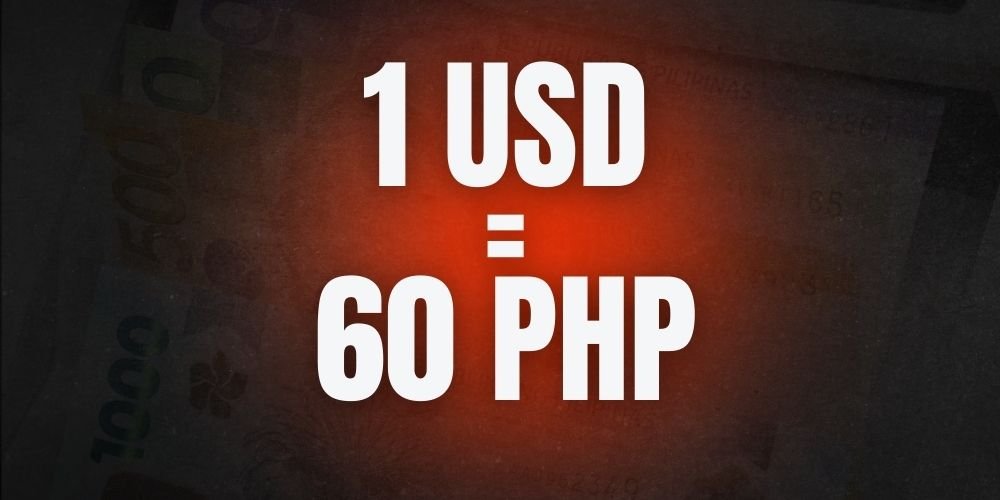
On March 19, the peso dropped to its weakest level on record. It breached the P60-per-dollar mark for the first time, a level policymakers had hoped to avoid.
The currency fell as low as P60.40 during trading and closed near P60.1. This sharp move reflects growing pressure from global markets as the Middle East conflict intensifies.
The decline is closely tied to rising oil prices and a stronger US dollar. Just days earlier, the peso was still trading below its previous record low of P59.87.
Crude prices climbed near and above $100 per barrel after attacks on energy infrastructure raised supply concerns. Because the Philippines imports over 90% of its oil, higher prices increase demand for dollars.
At the same time, the US dollar strengthened due to global uncertainty. Investors tend to move funds into the dollar during periods of risk, which further weakens emerging market currencies like the peso. This combination of expensive oil and a stronger dollar created a double strain on the local currency.
“The US dollar/Philippine peso exchange rate went up to a new record highs… after global crude oil prices went up lately after attacks on some oil/energy infrastructure in the Middle East,” Michael Ricafort, chief economist at Rizal Commercial Banking Corp., on how rising oil prices are driving the peso’s decline.
In response, the Bangko Sentral ng Pilipinas has intervened to reduce volatility. It signaled that continued high oil prices could lead to higher interest rates. Meanwhile, projections suggest the peso may weaken further if global conditions remain unchanged, with estimates pointing toward P61 per dollar.