


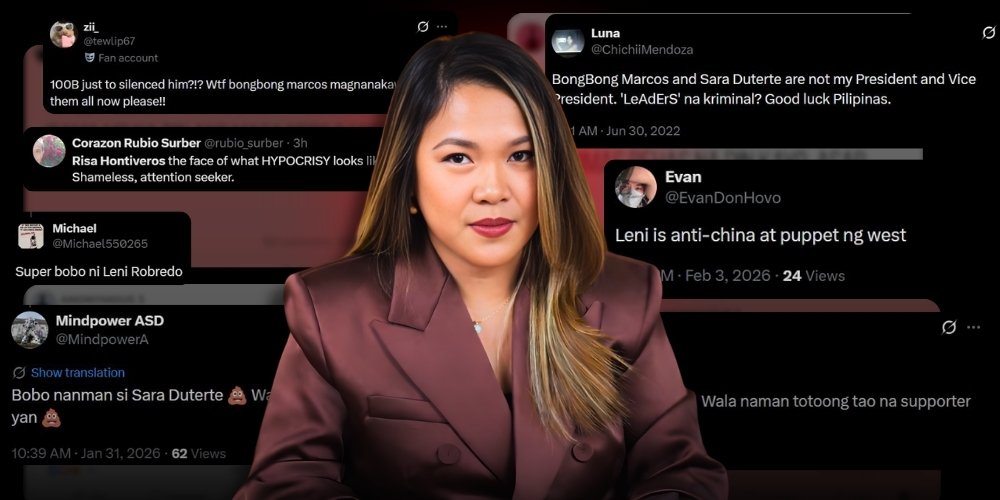
In her first episode on PGMN, Atty. Bernice Joana Piñol-Rodriguez (Hey Attorney) warned about the cost of silence, saying, “a democracy dies when people are afraid to speak.”
Watch the full episode here:
Piñol-Rodriguez used the episode to explain how online criticism of government officials can expose Filipinos to cyber libel charges, even as the Constitution protects free speech. She said Filipinos have the right to criticize the government and demand accountability, but pointed out that journalists can face cyber libel cases for investigative reporting, protesters calling out corruption can be detained quickly, and political critics can be arrested over Facebook posts.
She cited Article III, Section 4 of the 1987 Constitution, which states that no law shall be passed abridging freedom of speech, expression, or the press, and also protects peaceful assembly and petitions for redress of grievances. She also referred to Supreme Court rulings recognizing that political speech deserves the highest level of protection, including the doctrine that debate on public issues should remain uninhibited, robust, and wide open.
Piñol-Rodriguez explained that cyber libel is punished under Republic Act 10175, or the Cybercrime Prevention Act, which treats libel committed through a computer system as a criminal offense. She said penalties can reach up to eight years in prison. She outlined the elements courts examine in cyber libel cases, including a discreditable imputation, publication to a third person, malice, identifiability of the person involved, and the use of an online platform.
She cited specific court rulings to show how these standards are applied. One involved journalist Frank Sematu, who was convicted by Quezon City Regional Trial Court Branch 93 on December 13, 2022 over a 2017 Facebook post referring to then Agriculture Secretary MannyPiñol. Another involved blogger Edward Angelo Dayaw, who was convicted by the Pasay City Regional Trial Court in July 2023 over a 2017 article attacking then Senate President Vicente Tito Sotto III.
Piñol-Rodriguez said harsh language alone does not automatically amount to cyber libel, but unproven criminal accusations presented as fact can lead to prosecution. She stressed that criticism grounded in verifiable facts, official acts, and public records carries stronger legal protection, ending the episode by identifying herself as PGMN’s “Hey Attorney.”