


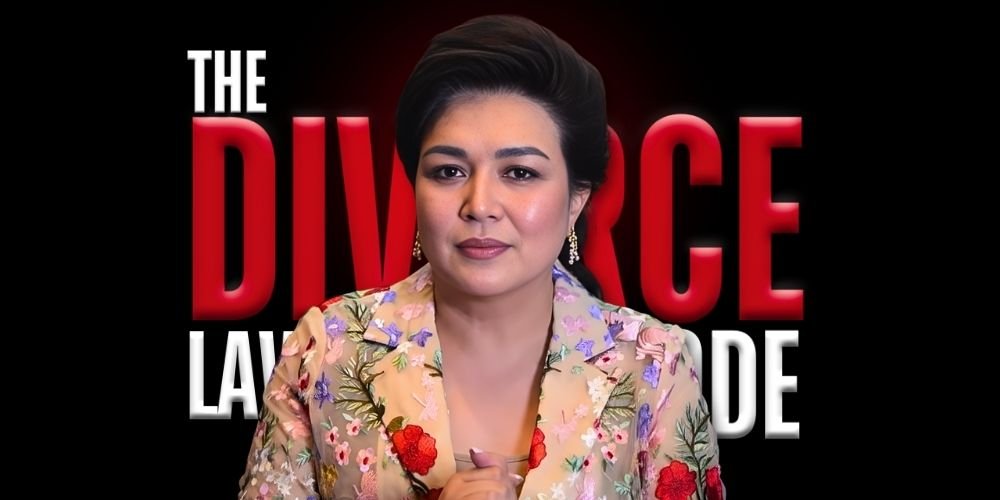
PGMN Anchor Atty. Regal Oliva has examined the absence of a divorce law in the Philippines, focusing on how the country’s continued reliance on annulment leaves many Filipinos with limited legal options when marriages fail.
Watch the full episode here:
Released during the Valentine’s Day period, the episode places public celebrations of love and commitment alongside the legal reality faced by couples whose relationships have already broken down. Under Philippine law, marriage remains binding except in limited cases where it can be annulled or declared void.
Oliva centers her discussion on Article 36 of the Family Code, which allows a marriage to be declared void on the ground of psychological incapacity. She explains that Supreme Court rulings have consistently imposed strict standards, requiring the incapacity to be grave, enduring, and present at the time of marriage. Because of these requirements, many situations that commonly lead to marital collapse—such as abandonment, repeated infidelity, emotional neglect, or abuse—often fall outside the scope of the law.
“Annulment was never designed to address most broken marriages. It is an exception, not a solution,” Oliva said.
She also revisits key court decisions that shaped how Article 36 is applied, including rulings that clarified psychological incapacity as a legal concept rather than a medical diagnosis. Despite these clarifications, the courts have repeatedly stressed that annulment is not equivalent to divorce and does not apply to all failed marriages.
The episode further highlights the practical barriers surrounding annulment, including lengthy court proceedings, high legal costs, and the emotional strain placed on families and children. Oliva notes that these factors often make annulment inaccessible to ordinary Filipinos, raising broader questions about fairness and access to justice.
The discussion situates the issue within the wider context of Philippine family law, as the country remains among the few globally without a divorce statute. Oliva frames the absence of divorce as a continuing legal gap that affects everyday Filipinos, particularly those trapped in marriages that are no longer functional but remain legally binding.