

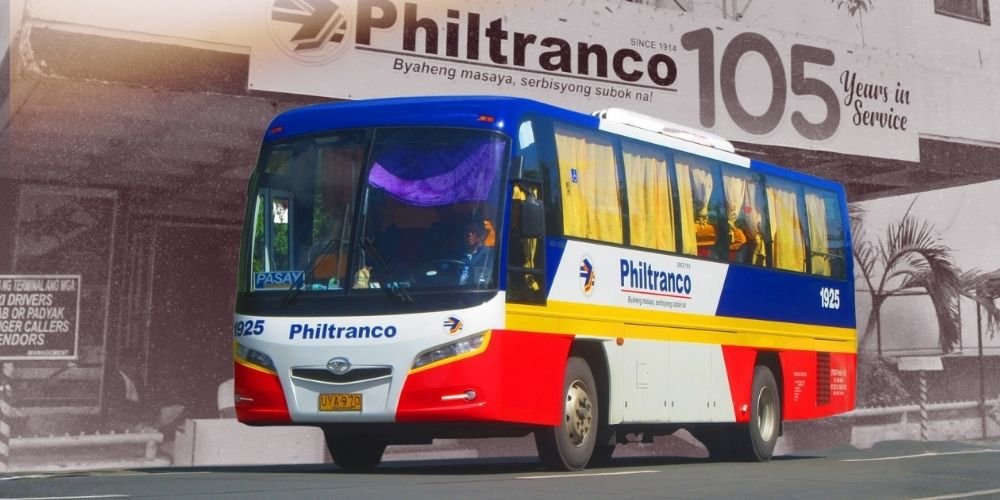
After more than a century of service, Philtranco will end its operations on March 30, 2026, bringing to a close a transport company that has been part of everyday travel for generations of Filipinos.
Philtranco confirmed that it will “cease operations on March 30, 2026,” ending a run that spanned 112 years, according to published reports. The company said the decision was driven by mounting financial pressures that it could no longer manage, despite efforts to keep the business running.
In explaining the shutdown, Philtranco cited “continuous financial losses” and the steady rise in operating expenses. Reports noted that increasing fuel prices, maintenance costs, and other obligations made it difficult for the company to sustain daily operations. Management acknowledged that these conditions had gradually weakened the firm’s ability to continue serving its routes.
Philtranco buses have long connected Metro Manila to provinces across Luzon, serving commuters who depended on long-distance travel for work, school, and family needs. For many passengers, the company’s name became synonymous with provincial bus travel. Its closure now means those routes will no longer be serviced by a company that many riders grew up with.
The company also recognized the human impact of the decision. In statements cited in reports, Philtranco expressed gratitude to its employees, including drivers, conductors, and support staff, who kept the company running over decades. The shutdown places uncertainty on workers whose livelihoods were tied to the firm’s operations.
For commuters, the announcement highlights broader challenges facing public transportation. As one of the country’s oldest bus operators exits the industry, its closure reflects the growing difficulty of sustaining long-distance bus services under rising costs and financial strain.
Philtranco’s final trips will run until the end of March 2026. After that, one of the most familiar names on Philippine highways will no longer be part of the daily commute, marking the end of an era in local public transport.