

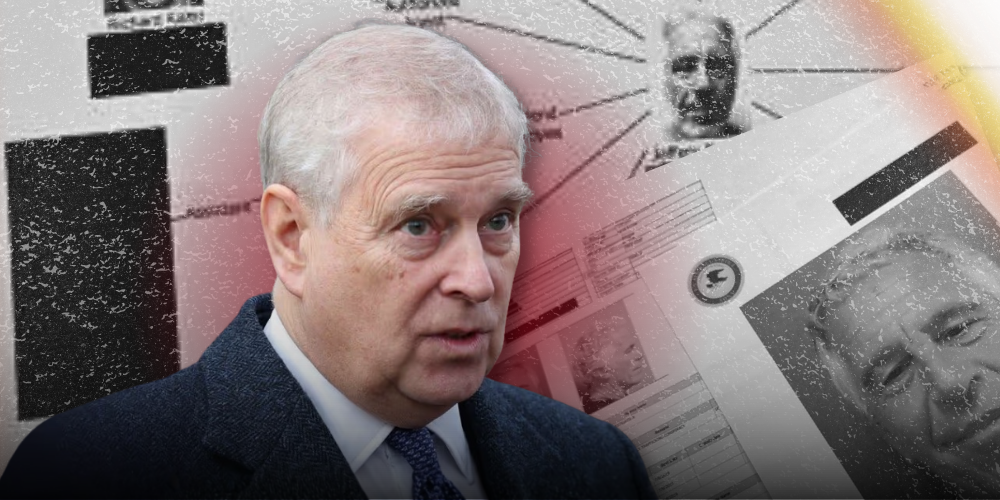
Andrew Mountbatten-Windsor, formerly known as Prince Andrew, was arrested by Thames Valley Police on suspicion of misconduct in public office, marking one of the most serious legal developments involving a senior member of the British royal family in modern history.
Police confirmed that a man in his sixties was taken into custody at a residence on the Sandringham Estate in Norfolk. British authorities did not initially name the suspect in line with standard legal practice prior to formal charges, but multiple UK outlets identified him as Mountbatten-Windsor. He turned 66 on the same day of the arrest.
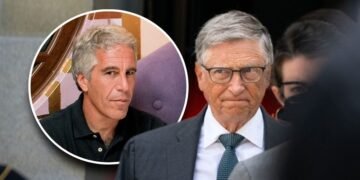
The investigation is linked to renewed scrutiny over his past association with convicted sex offender Jeffrey Epstein. Authorities are examining allegations that, while serving as the United Kingdom’s trade envoy, he may have improperly shared confidential government information with Epstein. The probe gained momentum following the recent release of additional Epstein-related documents in the United States, which prompted fresh review of communications and official records.
Mountbatten-Windsor stepped back from public duties in 2019 after public backlash over his ties to Epstein. In 2022, he reached a settlement in a U.S. civil lawsuit filed by Virginia Giuffre, who accused him of sexual abuse. He denied the allegations, and the case was resolved without an admission of liability. He was later stripped of his military affiliations and royal patronages.
Buckingham Palace has not issued a detailed statement regarding the arrest. King Charles III previously said in related matters that the legal process should proceed independently.
Under UK law, arrest does not equate to a charge. Police may continue questioning while reviewing evidence before deciding whether to formally charge or release him pending further investigation. Authorities have not disclosed a timeline for the next legal steps.
The arrest intensifies scrutiny on the monarchy’s handling of past controversies and places the royal family under renewed public and political attention as investigators determine whether criminal charges will follow.