

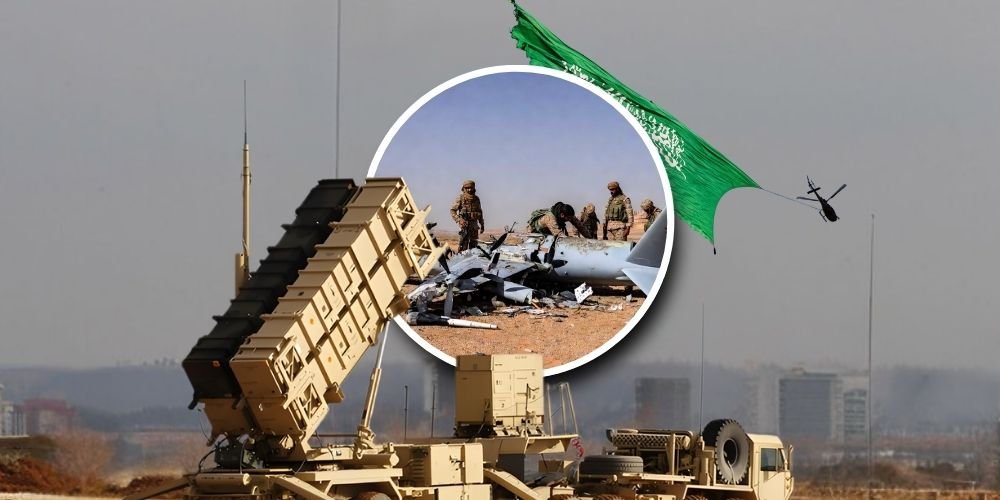
Saudi Arabia’s air defenses shot down several drones after Iran warned that oil resources in the Gulf could become targets, a development that has drawn attention to potential risks facing global energy markets.
Saudi authorities confirmed that the drones were intercepted before reaching their targets. No damage to oil infrastructure or casualties were immediately reported. The interceptions came shortly after Iranian officials signaled that energy facilities and oil routes in the region could be targeted if tensions continue to escalate.
The incident has renewed concerns about the vulnerability of energy infrastructure in the Gulf, one of the world’s most important oil-producing regions. Saudi Arabia is among the largest oil exporters globally, and disruptions to its production or export facilities could have ripple effects on international oil supply and prices.
Energy markets closely monitor security developments in the region because of the Gulf’s central role in global crude production and shipping. A significant share of the world’s oil passes through nearby maritime routes, making the stability of Gulf energy infrastructure critical to international markets.
While the drones were intercepted before causing damage, the incident underscores the potential economic implications of escalating geopolitical tensions in the Middle East. Analysts say threats directed at oil facilities or shipping lanes can quickly influence market sentiment and energy price expectations.
Saudi authorities have not released further operational details about the drones or their origin. Officials said security measures remain in place around key energy facilities as the situation continues to be monitored.
The drone interceptions highlight how developments in regional security can quickly intersect with global energy concerns, particularly when threats involve major oil-producing states such as Saudi Arabia.