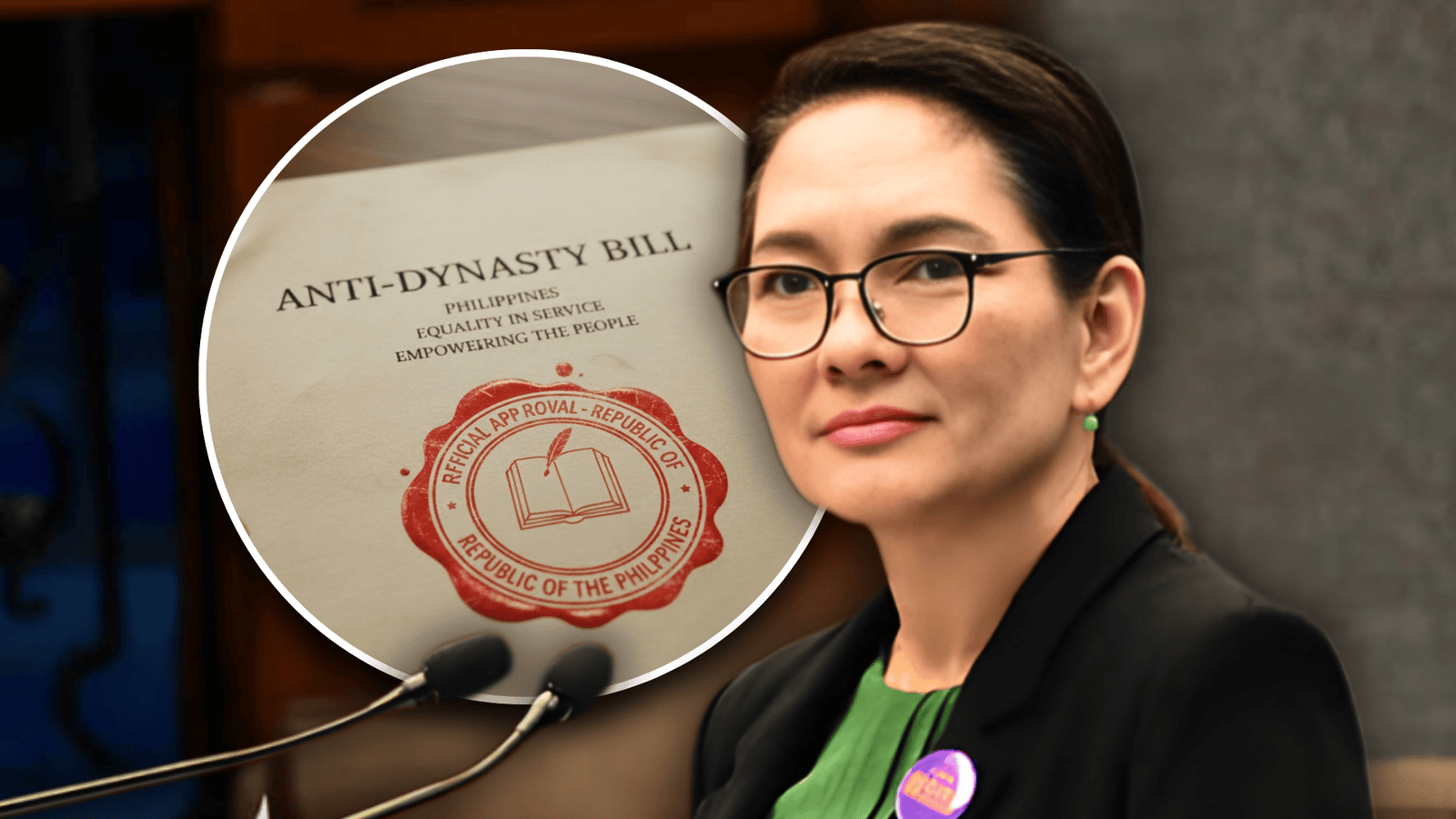
Senator Risa Hontiveros has long been an advocate for eliminating political dynasties in the Philippines, and on November 21, she refiled Senate Bill No. 1548, the “Kontra Dinastiya Act.” This bill is part of her consistent effort to break the stronghold of political families and pave the way for fairer representation in the country’s political landscape.
The bill seeks to prevent the relatives of incumbent elective officials from running for or holding public office in the same jurisdiction. It targets spouses and close relatives, including those within a specified degree of consanguinity or affinity, barring them from holding elective positions simultaneously.
The Philippines’ 1987 Constitution bans political dynasties, but no enabling law has been passed, leaving the provision unenforced. Supporters argue that political families continue to dominate elections, limiting opportunities for new leadership.
Despite a history of failed anti-dynasty bills in Congress, Hontiveros and other reform advocates are hopeful this bill will gain traction. Chel Diokno, a lawyer and human rights advocate, has long campaigned for reforms to address the root causes of corruption linked to political dynasties, emphasizing the need for systemic changes.
Resistance from lawmakers with familial political ties remains a significant challenge. Even if the bill passes, enforcing it could be difficult, given the political landscape and the capacity of the Commission on Elections (COMELEC).
Hontiveros has underscored the importance of addressing political dynasties to restore fairness in the electoral system and ensure leadership is based on merit and integrity, not inherited political machinery.
The reintroduction of this bill comes amid growing public dissatisfaction with political dynasties and the lack of diverse leadership in government. Proponents argue that the bill could reset the political system, opening up opportunities for fresh leadership and helping to reduce political monopolies in local and national offices.