
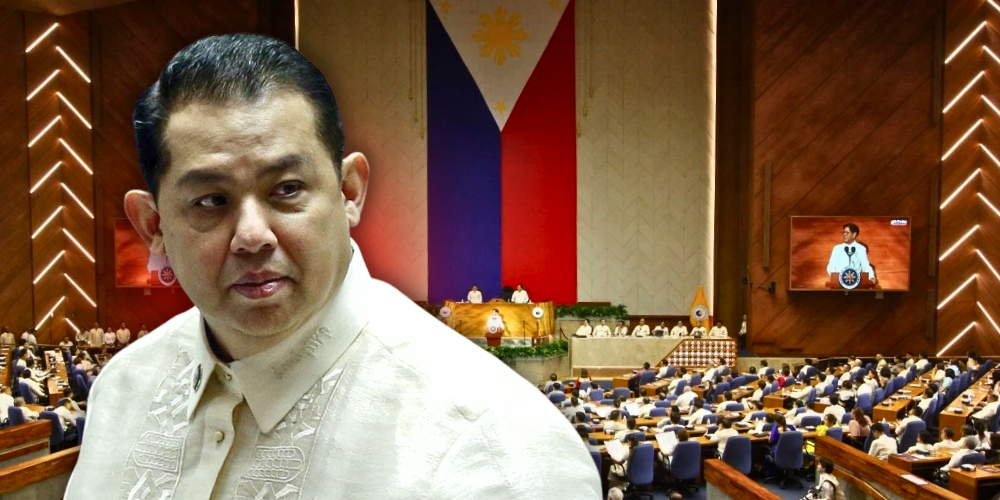
The Senate Minority has placed responsibility on former House Speaker Martin Romualdez for failures tied to anomalous flood control projects, stating that he remains liable under its findings whether the lapses resulted from direct involvement or from neglect of oversight while leading the House of Representatives.
The position is contained in a 576-page minority report submitted to Senate President Vicente Tito Sotto on December 10 and later released publicly. Six of the nine minority senators concluded that Romualdez cannot evade accountability for the controversy that surfaced during Senate inquiries into flood control spending.
“It’s either he was complicit with the crooks or was grossly negligent in his job. In both cases, he remains liable either way,” the minority bloc said.
The report stemmed from Senate investigations into alleged irregularities in flood control projects implemented through the Department of Public Works and Highways. The hearings examined claims raised by resource persons regarding project implementation, procurement practices, and the handling of public funds.
Romualdez was named in the proceedings following testimony that alleged the involvement of lawmakers in transactions linked to flood control projects. These claims were presented during Senate hearings and were cited in the minority report as part of its findings.
During the inquiry, contractors and other resource persons alleged that certain officials demanded kickbacks in exchange for project approvals. The minority report treated these assertions as allegations subject to further investigation and corroboration.
The report did not recommend the immediate filing of criminal charges but outlined possible legal exposure should the allegations be substantiated. It stated that accountability could arise under existing laws governing graft, bribery, and the misuse of public funds, depending on the outcome of continuing probes.
The minority report is expected to be considered alongside other findings from ongoing legislative and executive investigations into flood control projects and related procurement issues, as authorities continue to examine oversight failures in public infrastructure spending.