

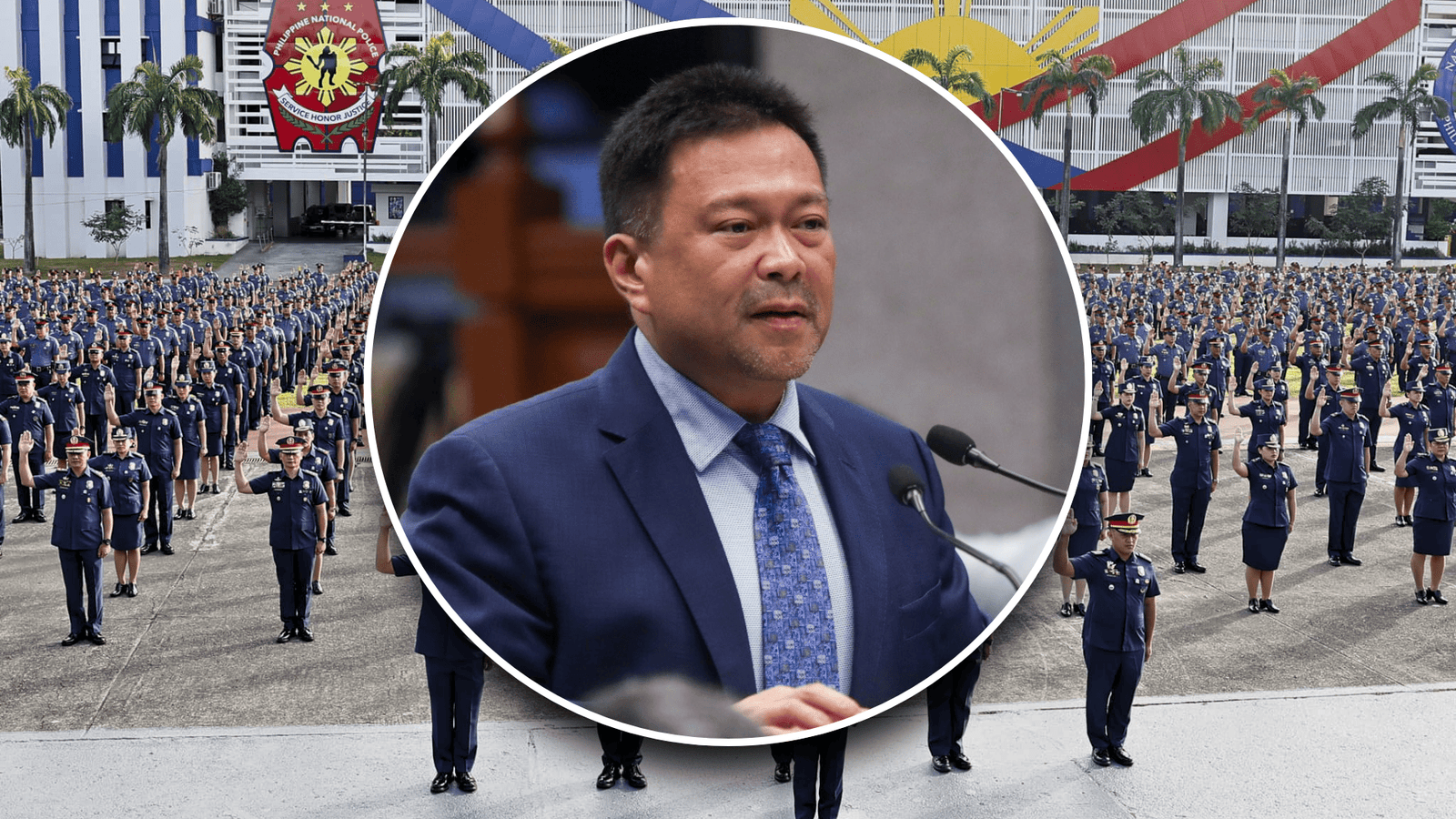
Senator JV Ejercito is pushing a major increase in the daily subsistence allowance of the country’s uniformed personnel, raising it from ₱150 to ₱350 under the proposed 2026 national budget. The adjustment has been adopted in the recommendations of the Senate finance subcommittee led by Ejercito.
The increase is projected to benefit around 330,000 uniformed personnel. The move aims to ease the pressure of rising living costs while recognizing the critical role of these personnel in maintaining public safety. Ejercito stressed that uniformed personnel take on high-risk duties in difficult and often dangerous conditions yet continue to receive modest benefits. “We’ve seen them struggling to make ends meet with their daily food allowance. It is very small compared to the sacrifices and services they have given to protect us,” he said.
He added that the increased allowance would help meet daily needs and uplift morale across the country’s public safety agencies. “This increase will not only help our uniformed personnel meet daily needs, but also boost morale and professionalize our public safety workforce,” he said.
Ejercito highlighted the working conditions of those regularly exposed to danger. “Many of them work in high-risk conditions but lack the benefits and social protection they deserve. For example, our Coast Guard who regularly patrol and face great danger to monitor and strengthen our maritime security. Hopefully this will help them and their families,” he said.
The proposal totals around ₱23 billion and covers personnel under the Philippine National Police, Philippine Coast Guard, Bureau of Fire Protection, Bureau of Jail Management and Penology, and the Philippine Public Safety College. During the continuation of budget deliberations, Ejercito sponsored allocations of ₱16.05 billion for the PNP, ₱2.76 billion for the PCG, ₱2.76 billion for the BFP, ₱1.81 billion for the BJMP, and ₱14.60 million for the PPSC.
Ejercito’s push forms part of a broader effort to strengthen support for uniformed services whose duties continue to expand alongside the country’s public safety demands.