
More than a year after South Korea was pushed into a constitutional crisis, a court has delivered a decisive ruling. The failed declaration of martial law in December 2024 continues to define the country’s political reckoning.
On Wednesday, judges imposed one of the harshest penalties tied to that episode. The verdict highlights how seriously the court viewed the threat to democratic rule.
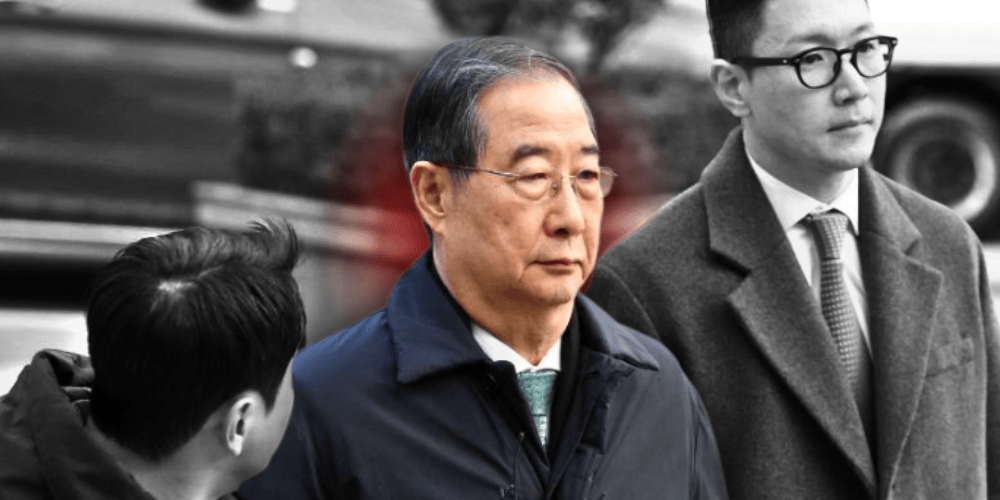
A Seoul court sentenced former prime minister Han Duck-soo to 23 years in prison for his role in the failed martial law ordered by former president Yoon Suk Yeol. The court ruled that the decree amounted to rebellion and ordered Han’s immediate detention. He became the first senior official from Yoon’s administration convicted in the case.
Judges said Han helped give the decree procedural legitimacy instead of blocking it. The court found that he allowed an improper cabinet process, approved falsified documents, destroyed official records, and lied under oath. It ruled that he failed his constitutional duty to protect democratic order as the country’s second-highest official.
Martial law was declared briefly in December 2024, with troops and police sent to the National Assembly and election offices. Lawmakers later gathered and voted down the decree, preventing its enforcement. Although no major violence followed, the move revived memories of past dictatorships and triggered Yoon’s impeachment and removal from office.
Prosecutors had sought a 15-year sentence, but the court imposed a longer term. Judges said the case differed from past coups because it involved elected leaders turning state power against democratic institutions. They described the act as a “self-coup” with serious consequences.
The ruling is expected to shape upcoming verdicts involving Yoon and other former officials, several of whom face rebellion charges. While the martial law attempt collapsed quickly, the court made clear its legal and political consequences will endure in South Korea.