

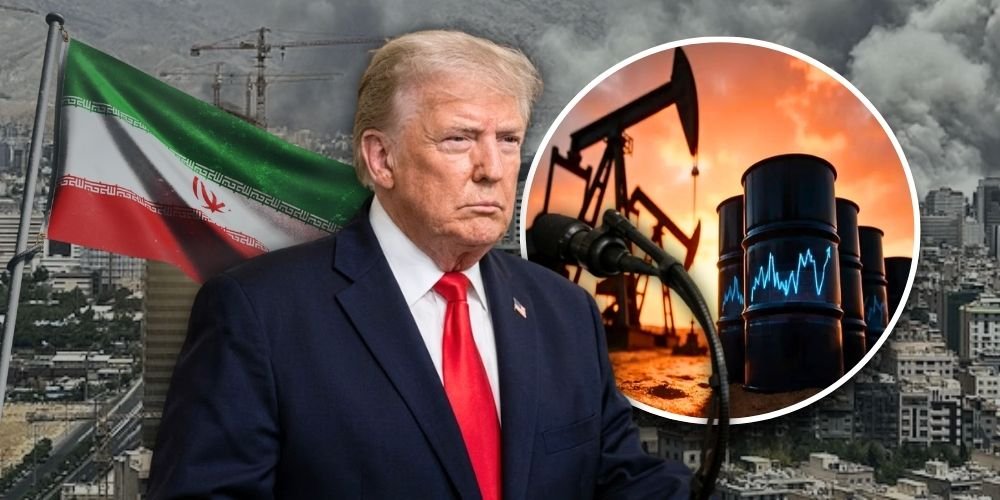
President Donald J. Trump said he is considering winding down US military operations against Iran as his administration moves to ease oil sanctions in response to rising global pressure on energy supply.
The statement came as fighting in the Middle East continues to affect global markets. Trump said the United States is “getting very close” to its objectives, signaling a possible shift after weeks of conflict involving US forces and Iran.
At the same time, the US government allowed a temporary easing of sanctions on Iranian oil. The policy permits the sale and delivery of oil that had already been loaded onto ships before March 20. The authorization will last for 30 days and is meant to add supply into the global market while prices remain elevated.
Officials clarified that the move does not allow new oil production or new purchases from Iran. It only applies to existing shipments already at sea. This means the added supply is limited and short-term, but still significant enough to affect prices in the coming weeks.
The decision comes as the conflict continues to disrupt key energy routes. Attacks and security risks in the region have pushed oil prices higher, increasing costs for countries that rely on imports.
For the public, the impact is direct. Oil prices influence fuel costs, electricity rates, and the price of goods transported across long distances. When supply is tight and prices rise, everyday expenses increase, including transport fares and basic goods.
By easing some restrictions and signaling a possible reduction in military activity, the US is attempting to stabilize supply and reduce pressure on global prices. Any shift in the conflict or in oil policy can quickly affect markets, which in turn shapes how much people pay for fuel and daily necessities.
The situation remains fluid, with no fixed timeline for ending operations. For now, both the conflict and the policy response continue to play a role in determining global energy costs and their impact on households.