

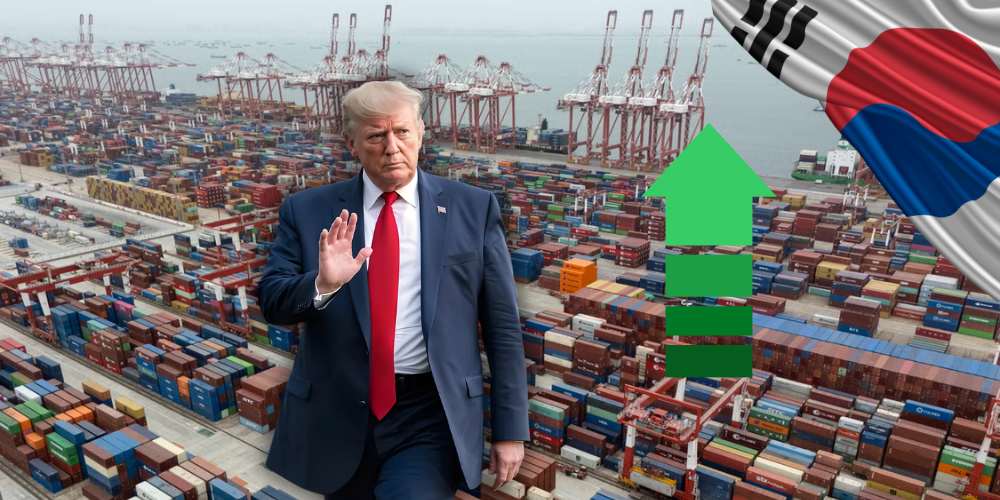
Markets barely had time to digest last year’s U.S.–South Korea trade deal before tariffs returned to center stage. President Donald J. Trump announced that U.S. import tariffs on South Korean goods will rise to 25%, reversing earlier reductions tied to the unfinished agreement.
The White House said the move follows delays in South Korea’s National Assembly, which has yet to formally approve the trade framework negotiated in 2025. Because the trade agreement has not yet completed South Korea’s legislative approval process, tariff concessions remain non-binding and subject to revision.
Under U.S. trade practice, tariff reductions linked to framework agreements often remain provisional until partner countries complete domestic approval steps.
In this case, the United States had already lowered duties to 15% in anticipation of ratification, while Seoul was still reviewing enabling legislation tied to investment commitments and sector-specific cooperation. The gap created a legal gray area, allowing Washington to restore higher rates without formally withdrawing from the deal.
The higher tariffs apply across major export categories, including automobiles, lumber, pharmaceuticals, and other goods covered by Washington’s reciprocal tariff policy. Under the original framework, South Korea pledged $350 billion in U.S. investments, targeting shipbuilding, semiconductors, and advanced manufacturing.
South Korean officials said they were not given advance notice of the tariff increase but reiterated their intention to finalize the agreement. Trade and industry ministers are now accelerating talks in Washington to prevent further escalation and stabilize market expectations.
The announcement briefly rattled Seoul’s markets, reflecting how closely South Korea’s export-driven economy tracks U.S. trade signals.