


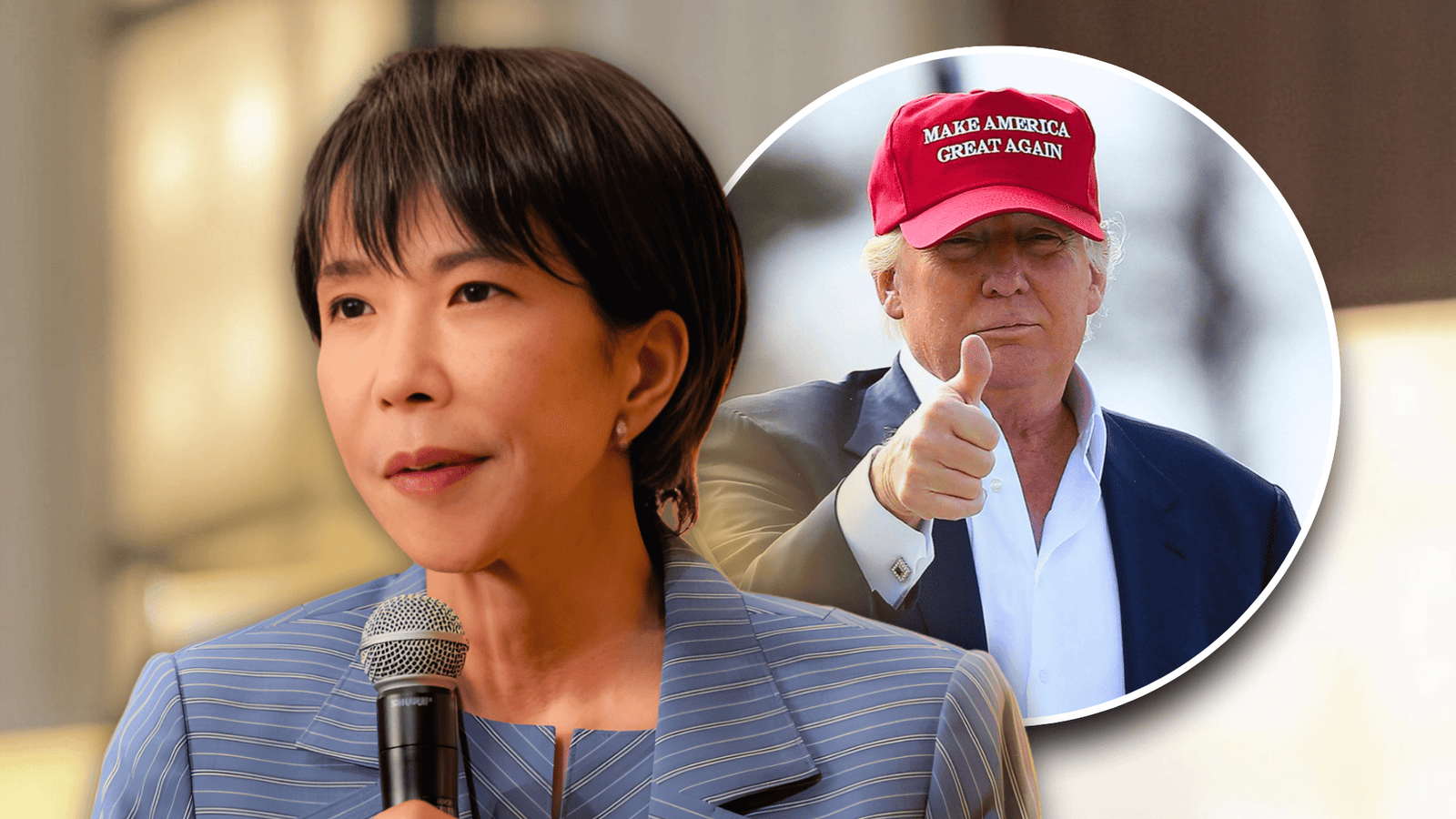
The call lasted just ten minutes, but it set off a geopolitical ripple. Japan’s new prime minister, Sanae Takaichi, spoke with President Trump from Malaysia to declare her administration’s top foreign-policy priority: rebuilding the Japan–U.S. alliance.
Trump, phoning from Air Force One, congratulated her and praised her leadership. For both leaders, the exchange signaled not only continuity but resurgence — the return of a conservative partnership that once defined Asia’s political tempo.
Takaichi called Japan an indispensable partner in America’s Indo-Pacific playbook, echoing the late Shinzo Abe’s strategy of mixing loyalty with leverage. The prime minister’s conservative rise mirrors Trump’s own populist brand — bold rhetoric, economic nationalism, and a nostalgia for national pride.
She previously told supporters she would aim to meet Trump “in a dignified manner someday,” a promise made years before her rise to the top — and fulfilled within her first week in office. Trump responded warmly, describing her as “great” and “friendly,” a tone that hints at easy chemistry ahead of their first in-person summit in Tokyo. Their conversation, held ahead of the ASEAN and APEC summits, was a prelude to a diplomatic debut where Takaichi’s words will be measured against her actions.
Behind the phone call, Japan is re-engineering its priorities. Takaichi plans to boost defense spending to 2% of GDP by 2026 — two years earlier than promised — and revise the country’s key security papers to reflect a more assertive military posture. Her administration also intends to rewrite Japan’s National Defense Strategy, Defense Buildup Program, and National Security Strategy — signaling a break from Kishida’s cautious approach and a return to Abe-era hawkishness. Trump’s expectations remain high: he wants allies to spend more, buy American, and show political resolve. Tokyo seems ready, preparing purchase packages of LNG, pickup trucks, and soybeans to sweeten bilateral trade. She’s even lined up deals tied to Trump’s own domestic projects, including new LNG shipments from Alaska and U.S. tech partnerships on 6G and artificial intelligence.
At home, Takaichi enjoys a 71% approval rating and a rare moment of unity for Japan’s ruling bloc. She inherits Abe’s playbook but adds her own twist — sharper nationalism and a promise to “never stand still.”
Her cabinet includes veterans who once served under Abe, including negotiator Ryosei Akazawa, chosen to lead new tariff talks with Washington. Her administration’s early signals — tax cuts paired with high defense spending — suggest a blend of economic stimulus and hard-power politics.
On China, she faces a delicate balancing act: Japanese vessels continue to shadow Chinese ships near the Senkaku Islands, while Beijing condemns her earlier visit to Taiwan as a “dangerous provocation.” Yet Takaichi insists cooperation with Taiwan is essential to regional defense — a stance sure to please Washington but rattle Beijing.
In the end, one phone call became a statement of intent. Trump found a partner who matches his confidence, while Takaichi gained a platform to project Japan’s comeback. Their connection feels deliberate — the product of shared ambition and timing.
Both carry domestic pressures: Trump seeks quick trade wins before his Asia tour, while Takaichi must prove her ability to handle foreign policy despite limited experience abroad. Each needs the other to reinforce their political image — Trump as dealmaker, Takaichi as decisive reformer.
Together, they’re reviving a partnership that blends charisma, conservatism, and power, setting the tone for a new “Make Japan Great Again” era.