

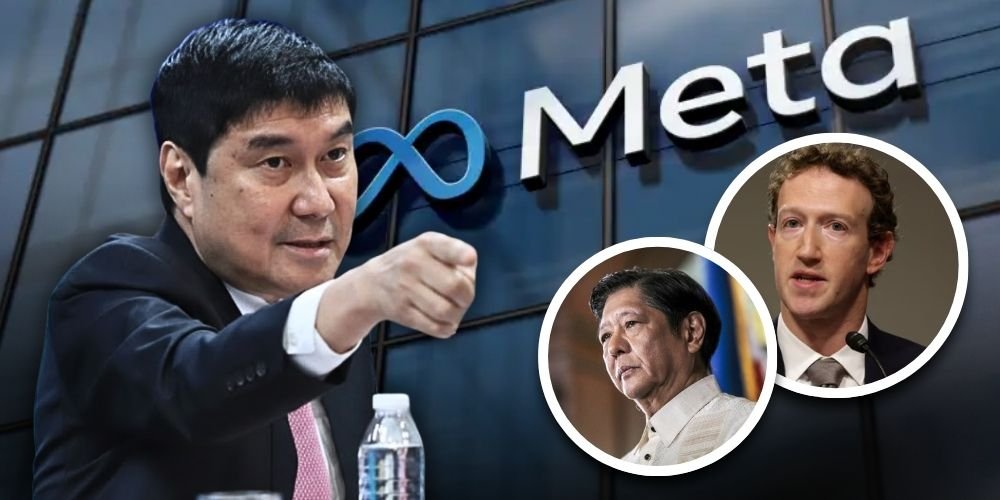
Senator Raffy Tulfo confronted officials of Meta Platforms Inc. over the continued circulation of manipulated content on Facebook, warning that delays in removing deepfakes allow false information to gain traction before any corrective action is taken.
The exchange focused on a fabricated post that falsely involved President Bongbong Marcos, which Tulfo cited as an example of how quickly deceptive material can spread when platform responses are slow. He raised concerns during a Senate hearing, questioning why clearly manipulated content remained accessible long enough to reach large audiences despite existing reporting mechanisms.
Tulfo stressed that deepfakes pose a growing threat to public understanding, especially when they mimic the voice or likeness of national leaders. He said the damage is often done before takedowns occur, as users may already believe or share the false material. The senator pressed Meta to explain its internal processes and timelines for reviewing flagged content, particularly when posts involve public officials and potential public harm.
Meta representatives acknowledged the challenge of identifying and responding to deepfakes at scale. They said the company relies on a mix of automated systems, user reports, and human review to detect and remove manipulated media that violates platform rules. They also noted ongoing efforts to improve detection tools as artificial intelligence becomes more sophisticated.
The hearing placed renewed attention on the broader problem of online misinformation in the Philippines. Deepfakes have previously surfaced in the form of altered videos and audio clips attributed to government figures, prompting public confusion and official clarifications. Authorities and lawmakers have repeatedly warned that such content can undermine trust in institutions and distort public discourse.
Tulfo’s remarks underscored a persistent gap between the speed at which false content spreads online and the pace of platform enforcement. As deepfake technology becomes more accessible, lawmakers signaled that social media companies face increasing pressure to act faster and more decisively when fabricated content targets public figures or risks misleading the public on matters of national concern.