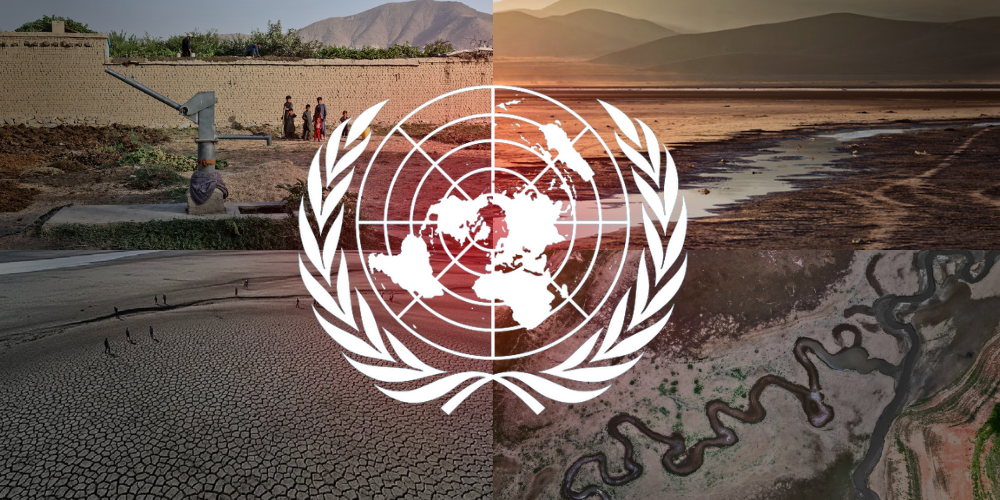
Water shortages are no longer a distant warning. A new United Nations report says the world has already entered an era of global water bankruptcy.
This term signals that water systems are not only under pressure but are being damaged beyond easy repair. UN scientists say many regions now use water faster than nature can replace it.
The report was released by the UN University Institute for Water, Environment and Health, the UN’s research body focused on global water issues. It defines water bankruptcy as a long-term state where water withdrawals and pollution exceed safe limits. Over time, this erodes natural water “capital” such as rivers, aquifers, wetlands, and glaciers.
Evidence of this shift appears worldwide. More than half of the planet’s large lakes have lost water since the early 1990s. Several major rivers now fail to reach the sea for part of the year. At the same time, around 70 percent of major groundwater aquifers show long-term decline, even as cities and farms rely on them daily.
Climate change adds further strain. Since 1970, global glacier mass has fallen by more than 30 percent, reducing a critical source of seasonal water for millions. Meanwhile, roughly 410 million hectares of wetlands have vanished over five decades.
Not every country is water bankrupt, the report notes. However, enough key systems have crossed irreversible thresholds to affect global stability. Food supplies, economies, and migration patterns now feel the impact, with vulnerable communities facing the greatest risks.
The UN urges governments to move away from treating water problems as temporary crises. Instead, it calls for honest planning that prevents further damage, matches water use to reduced capacity, and supports communities through necessary transitions. Recognizing water bankruptcy, the report argues, is essential to protecting what remains and limiting deeper losses ahead.