


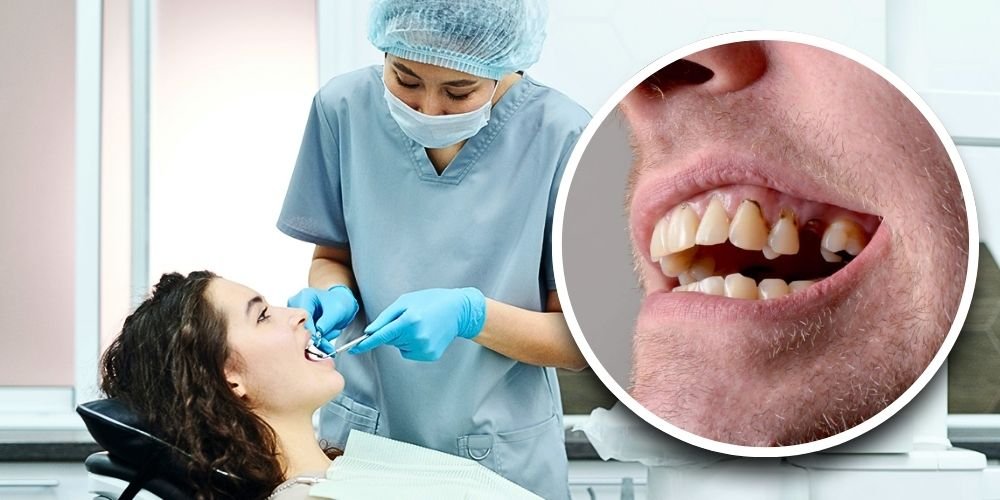
Tooth decay remains the most common noncommunicable disease worldwide, even though dentists say it is largely preventable. The persistence of cavities across age groups has prompted renewed discussion among oral health experts about whether traditional advice on brushing and sugar intake tells the full story.
Dr. Kami Hoss, a dentist and orthodontic specialist, said many people who brush twice daily and visit the dentist regularly still develop cavities. He noted that oral health messaging has long centered on brushing frequency and sugar consumption, but argued that a broader understanding of the mouth’s biology is needed.
Hoss described the mouth as a complex system that includes not only teeth but also soft tissues, saliva, bone structures and a diverse community of microbes. He said the oral cavity is directly connected to other parts of the body and plays a role in breathing, speech and overall appearance. He added that oral conditions such as gum inflammation or untreated decay may allow bacteria and inflammatory byproducts to enter the bloodstream, potentially affecting other organs.
Among his recommendations is avoiding brushing immediately after meals, particularly after consuming acidic foods or drinks. He said enamel temporarily softens in an acidic environment and brushing too soon may contribute to erosion and sensitivity. Waiting 30 to 60 minutes before brushing allows the mouth’s pH levels to stabilize.
Hoss also encouraged consumers to look beyond fluoride as the sole focus of oral care. While fluoride remains widely used, he said maintaining a healthy oral environment involves supporting natural remineralization, balanced pH levels and a stable microbiome. He pointed to ingredients such as nano-hydroxyapatite, which resembles the mineral structure of tooth enamel, as one option found in some products.
Nutrition also plays a role, he said, highlighting the importance of vitamins D and K2 in supporting calcium regulation and enamel health. Foods such as fatty fish, egg yolks, fortified dairy products and certain fermented foods may contribute to overall oral wellness.
At the same time, Hoss cautioned against using harsh antiseptic mouthwashes that eliminate all bacteria. He said the oral microbiome contains beneficial microbes that help protect teeth and gums. Overuse of strong antiseptics or alcohol-based rinses may disrupt this balance and contribute to dry mouth or irritation.
He also stressed that brushing harder does not equate to better cleaning. Excess pressure and abrasive bristles can lead to gum recession and enamel wear. He recommended using ultra-soft brushes or electric toothbrushes with pressure controls and regularly cleaning toothbrushes to reduce bacterial buildup.
Finally, Hoss said oral care routines should evolve over time. Life stages such as pregnancy, orthodontic treatment, aging and certain medications can alter saliva composition and oral risk factors. Tailoring products and habits to individual needs, he said, may improve long-term oral and overall health.