

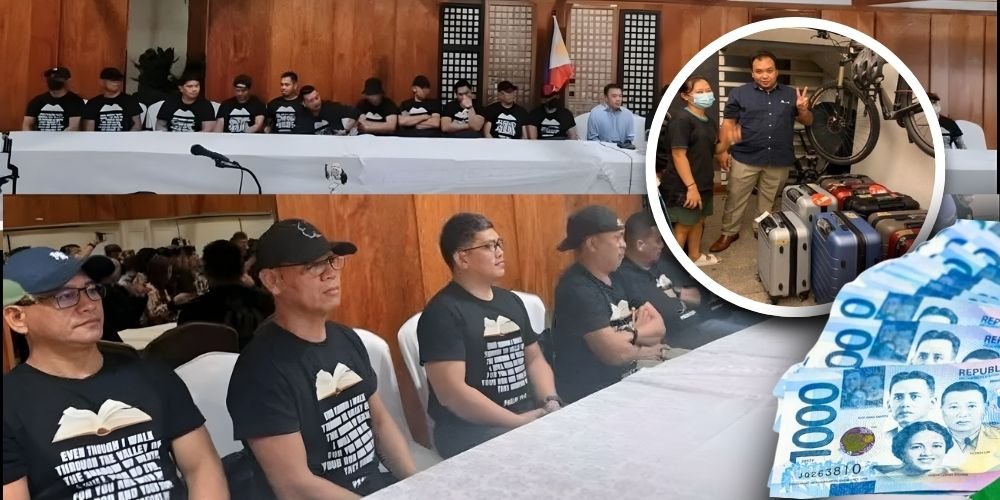
Eighteen former Marines have sworn to a joint affidavit alleging that as much as ₱805 billion in cash was delivered in suitcases, paper bags, and envelopes to congressmen and other senior government officials over several years.
The 31-page sworn statement, signed on February 23, 2026 in Las Piñas City, was executed by former enlisted personnel of the Philippine Marine Corps, along with former Army personnel and a reservist. The affiants said they previously worked as security escorts and assistants for a former lawmaker and were tasked to accompany trusted aides during repeated cash deliveries.
According to the affidavit, money was counted at a residence in Valle Verde, Pasig City before being packed into maletas of different sizes. Large suitcases allegedly carried between ₱50 million and ₱70 million each, medium ones ₱30 million to ₱40 million, and small ones ₱15 million to ₱25 million. Paper bags allegedly held ₱5 million to ₱10 million, while expandable envelopes contained around ₱2 million.
The former Marines claimed deliveries occurred almost daily during certain periods. They said the cash was transported using armored SUVs and vans to private homes in exclusive subdivisions, condominium units in Bonifacio Global City, hotels in Makati and Pasay, and offices within the House of Representatives.
The affidavit also alleged that during Quad Committee hearings, paper bags containing ₱5 million each were brought into the House compound and distributed to lawmakers. Based on the frequency and volume of deliveries they claimed to have witnessed, the affiants estimated the total amount moved reached ₱805 billion.
The sworn statement further described alleged visits by individuals identified as members of the International Criminal Court between 2023 and 2025, for whom the affiants claimed they provided security and logistical support.
They also alleged that some active police officers joined certain delivery operations and removed bundles of cash from suitcases before replacing damaged locks. The former Marines said they later faced pressure to sign counter-affidavits but refused.