

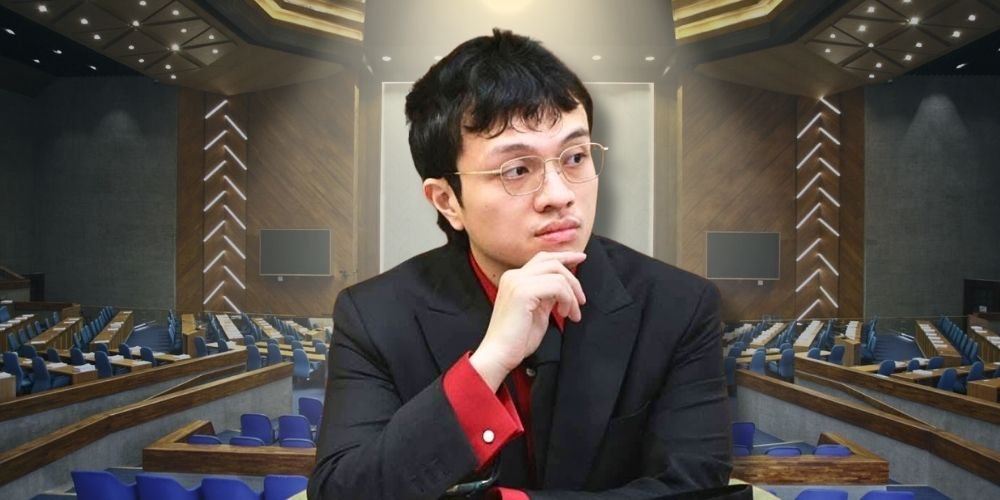
Cavite Rep. Kiko Barzaga has resumed office after completing a 60-day suspension imposed by the House of Representatives, returning to regular session duties following disciplinary action tied to his previous statements inside and outside the chamber.
After serving his suspension, Barzaga has signaled readiness to resume filing legislative measures, outlining plans to push proposals on taxation, social policy, and governance as he returns to an active role in lawmaking.
The suspension stemmed from remarks he made that were deemed to violate House rules. Those statements included direct accusations of corruption, patronage, and internal arrangements involving House figures, which placed him at odds with then-Speaker Martin Romualdez. The case drew attention to a key point. Barzaga was raising concerns about alleged wrongdoing inside the House, yet he was the one punished first.
The issue escalated in late 2025 when Deputy Speaker Ronaldo Puno and other members of the National Unity Party filed an ethics complaint against him over his social media posts. On January 9, 2026, Barzaga publicly stated that lawmakers received money in connection with support for Romualdez, directly naming senior figures. Puno denied the statements and filed a cyberlibel complaint before the Antipolo City prosecutor. As of March 2026, the case remains at the prosecutor level, with no court ruling or independent findings confirming or disproving the claims.
Barzaga, one of the younger lawmakers in Congress (and by far the most popular), has taken a more direct and public-facing approach compared to traditional House messaging. He has used social media to raise issues usually confined to internal discussions and bring them into wider public view. With millions of followers and stratospheric engagement online, his statements reach audiences beyond the House and draw attention to matters that might otherwise remain internal.
His return restores his role as a voting member and brings the issues he raised back into focus. His statements drew attention to how decisions, funding, and influence operate inside the House, prompting wider public discussion.
The case highlights the limits of internal criticism within the institution. While formal channels allow for policy debate, direct public accusations against leadership have led to disciplinary action. The balance between enforcing rules and allowing dissent remains a continuing point of attention.
With Barzaga back in session, the focus now shifts to whether the concerns he raised will be addressed through official processes or remain part of a broader public conversation on transparency and accountability in the House.