

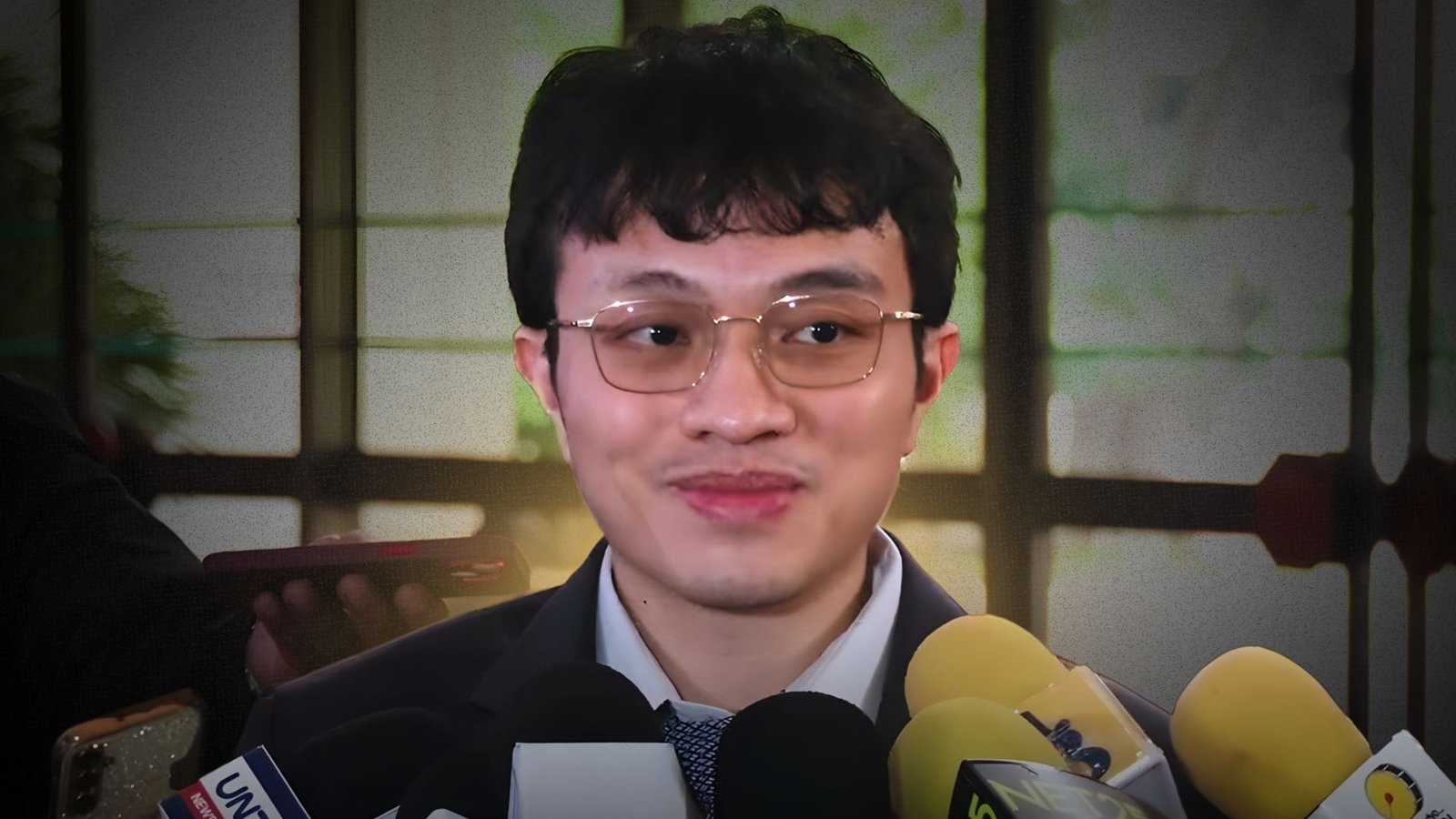
Cavite 4th District Representative Kiko Barzaga has filed a bill seeking to abolish the 12% Value-Added Tax (VAT) on goods and services, arguing that the tax unfairly burdens ordinary consumers — especially the poor.Cavite 4th District Representative Kiko Barzaga has filed a bill seeking to abolish the 12% Value-Added Tax (VAT) on goods and services, arguing that the tax unfairly burdens ordinary consumers — especially the poor.
Barzaga described VAT as a “regressive” and “anti-poor” system that taxes everyone equally, regardless of income.
He emphasized that this setup disproportionately impacts low- and middle-income families already struggling with inflation and rising prices.
His proposal aims to eliminate VAT entirely and replace it with fairer, more progressive forms of taxation.
In a Facebook post dated September 30, Barzaga reaffirmed his commitment to a “0% VAT Bill,” expressing frustration at what he called government corruption and excessive taxation.
He said his intent is to give Filipino families more financial breathing room instead of funneling their money into inefficient or exploitative systems.
Under the current system, VAT collections are a major component of government income.
The Bureau of Internal Revenue (BIR) collected ₱643.85 billion in VAT for 2024—accounting for nearly 23% of total tax revenue and about 15% of all government receipts.
The Department of Finance (DOF) has warned that even a modest VAT reduction to 10% would cost around ₱330 billion a year, or roughly 1% of the country’s GDP.
By comparison, completely removing VAT would result in a revenue loss exceeding ₱700 billion annually — equivalent to about 2.7% of GDP.
Barzaga’s “zero VAT” proposal comes at a time when public outrage over alleged kickbacks in flood control projects and ghost infrastructure deals continues to grow.
With billions in taxpayers’ money reportedly lost to corruption, many Filipinos are demanding accountability — and a tax break they feel they rightfully deserve.
For Barzaga, removing VAT isn’t just an economic move — it’s a statement that the burden of corruption should no longer fall on the poor.