


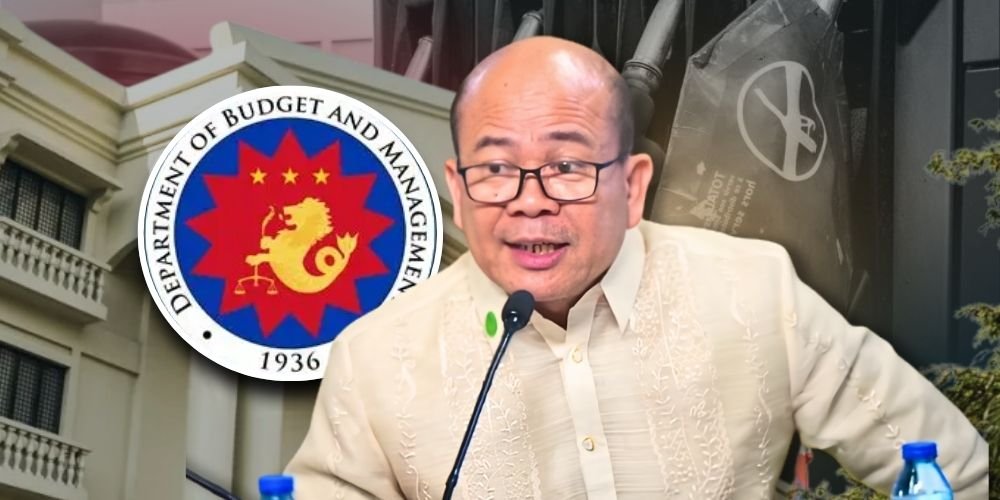
Rising fuel prices from the global oil shock are putting pressure on households, and the government is tightening spending to fund relief. The Department of Budget and Management ordered agencies to cut 20% of non-essential spending.
This aims to create fiscal space for targeted subsidies as fuel costs rise. At the same time, around ₱238 billion has been identified to support vulnerable sectors.
The cuts apply to Maintenance and Other Operating Expenses, or MOOE, which cover routine agency costs. These include travel, training, utilities, and other operational expenses.
DBM estimates the adjustments can generate between ₱12.8 billion and ₱25.6 billion in savings from March to December. These savings will be redirected to programs designed to cushion the impact of higher fuel prices.
At the same time, the government is channeling support toward sectors most affected by rising costs. Public transport drivers, farmers, and fisherfolk are among the priority groups receiving assistance. Around ₱2.5 billion has been released for transport aid, along with ₱1 billion for service contracting. An additional ₱10 billion has been allocated to support agriculture and manage rising production costs.
“We have to be prudent. The assistance must be targeted to those who are most vulnerable,” Budget Secretary Rolando Toledo, on directing limited resources toward sectors most affected by fuel-driven price increases.
Meanwhile, overall government spending remains focused on key sectors despite these adjustments. The ₱6.793 trillion national budget continues to prioritize education, health, and infrastructure.
Spending growth may slow in early 2026 due to prior high expenditures. However, support programs and major projects continue alongside measures addressing the fuel shock.