


Electric transport is no longer a future plan; it is now being expanded in real time as fuel pressures intensify. The Department of Energy is scaling e-mobility through a private-led electric bus rollout to stabilize fares amid rising oil prices.
At the same time, the DOST is advancing electric transport systems to reduce long-term fuel dependence. Together, these moves signal a coordinated push to expand the EV ecosystem as a direct response to ongoing oil shocks.
The e-bus rollout targets immediate transport costs, which have risen alongside global fuel prices. By deploying locally assembled electric buses, the program aims to keep fares stable while reducing reliance on imported fuel. This positions electric mobility as a working solution under current market pressure rather than a distant transition.
“This initiative shows that we can protect commuters from rising fuel costs while advancing a cleaner and more sustainable transport system,” DOE Secretary Sharon Garin said on aligning transport stability with long-term electrification efforts.
Meanwhile, DoST is reinforcing this direction through broader electrification programs. Projects such as electric ferries, hybrid trains, and smart mobility systems are being deployed in coordination with local institutions. The agency also targets at least 10 percent electrification of the transport sector by 2040, linking present actions to long-term energy security.
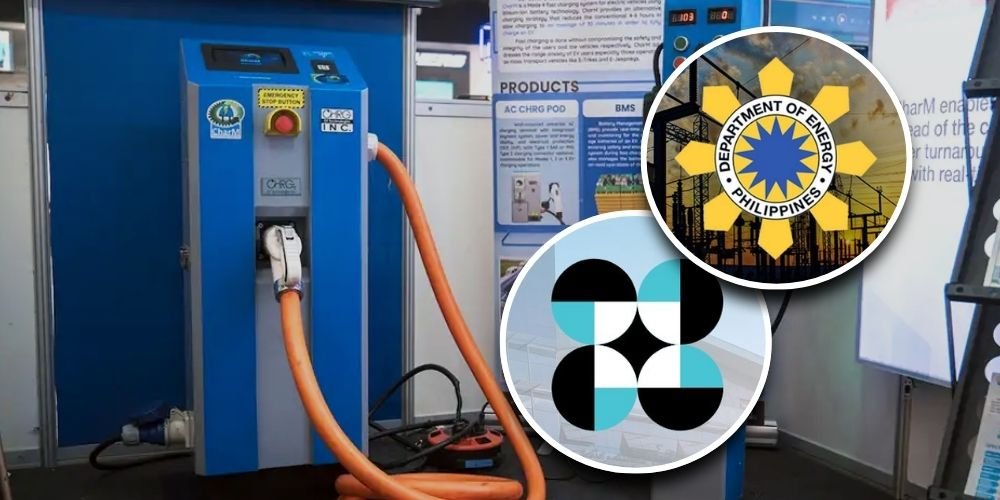
Supporting this shift, the EV ecosystem continues to expand nationwide. The country now has over 60,000 registered EV units, hundreds of available models, and a growing network of charging stations. Incentives such as zero import tariffs, tax breaks, and coding exemptions remain in place to accelerate adoption.
At the same time, cost dynamics are driving behavior.
Electric vehicles operate at about P1.71 per kilometer compared to P5 for fuel-powered vehicles. As fuel prices remain volatile, this gap continues to push both consumers and operators toward electric alternatives.